


Alishan Tea Background Knowledge
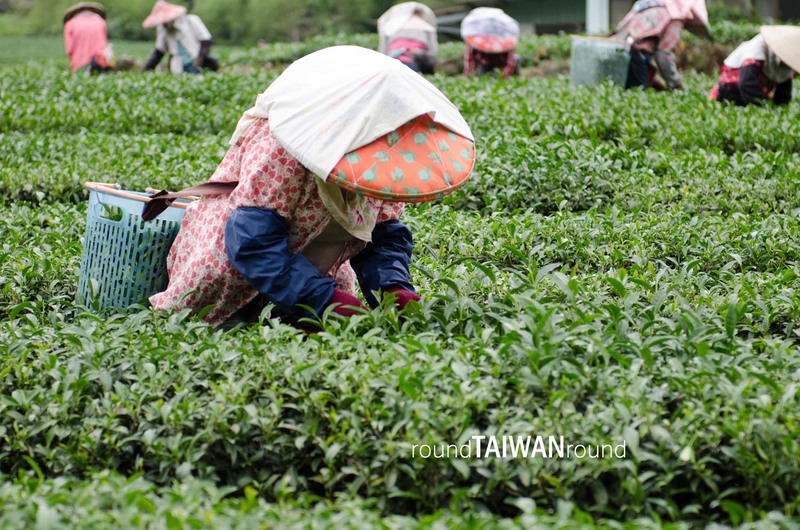
The Terroir of Alishan Tea: Geography, Climate, and What Makes It Special
Alishan tea plantations have become one of Taiwan’s most iconic high-mountain tea regions thanks to a rare “perfect mix” of elevation, climate, and terroir. Most Alishan tea gardens sit at around 1,000–1,600 meters above sea level, a classic high-mountain zone. With cooler temperatures, high humidity, and rolling terrain, tea bushes grow more slowly—giving them more time to build up flavor compounds.
Many travelers who joined RTR private tours have shared this with our editor after chatting with local tea farmers: “sea of clouds” is often considered Alishan tea’s most important natural advantage. Frequent mountain fog shortens sunlight exposure and reduces UV intensity. Combined with the region’s big day–night temperature swings, tea leaves photosynthesize during the day but slow their metabolism at night—helping them accumulate higher levels of sweet, mellow components like theanine and pectin, while bitterness-associated catechins tend to be comparatively lower.
This is why Alishan tea is known for a smooth, sweet taste, elegant aroma, and a long, lingering finish—a quality local connoisseurs call "Hui Gan" (回甘), or the returning sweetness that blooms in the throat. Together, these conditions form a unique "Mountain Character" (Shan Tou Qi / 山頭氣) that is nearly impossible to replicate elsewhere, making Alishan a true flagship of Taiwan’s high-mountain teas.
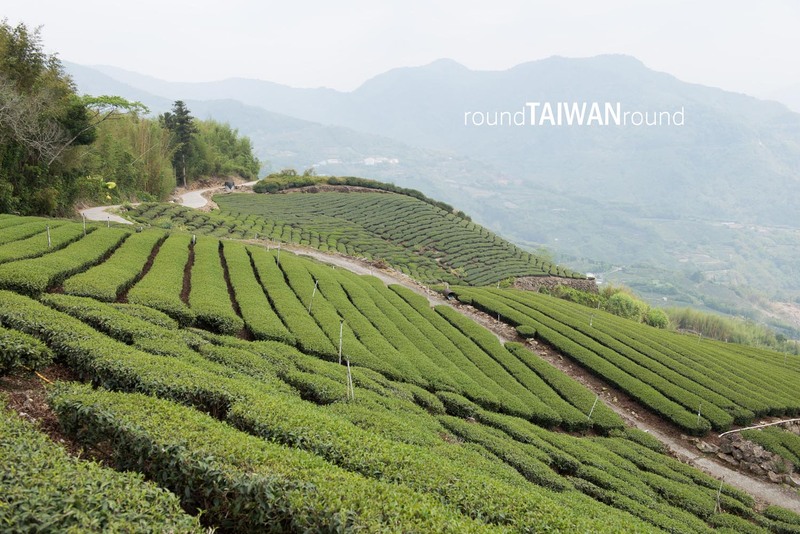
On top of that, Alishan’s sloped mountain soils generally drain well and contain plenty of organic matter, providing tea bushes with stable, rich nourishment. Together, these conditions form a terroir that’s hard to replicate—one of the key reasons Alishan tea stands out among Taiwan’s many high-mountain teas.
Compared with other high-mountain tea regions in Taiwan, Alishan tea tends to taste balanced, refined, and pleasantly “re-steepable.” Rather than leaning toward extreme clarity or sharp, icy aromatics found in some higher-elevation areas, Alishan tea often offers both approachability and layered complexity—making it a great everyday tea and a friendly entry point into the high-mountain tea world.
Main Tea Styles in Alishan and Their Flavor Profiles
Before diving into processing styles, it’s essential to distinguish between the two primary tea varieties that define this region. Understanding these will help you find the famous Taiwan Milk Oolong you might have heard about:
- Qingxin Oolong (青心烏龍): Considered the gold standard of high-mountain tea. It is prized by connoisseurs for its elegant floral aroma and deep "Mountain Character" (Shan Tou Qi).
- Jinxuan Tea (金萱 / TTES No. 12): This is the world-renowned Taiwan Milk Oolong. It is naturally famous for its subtle milky scent and silky mouthfeel. It is important for travelers to know that this creamy fragrance is a natural characteristic of the leaf and Alishan’s terroir—it contains no artificial flavorings or dairy.
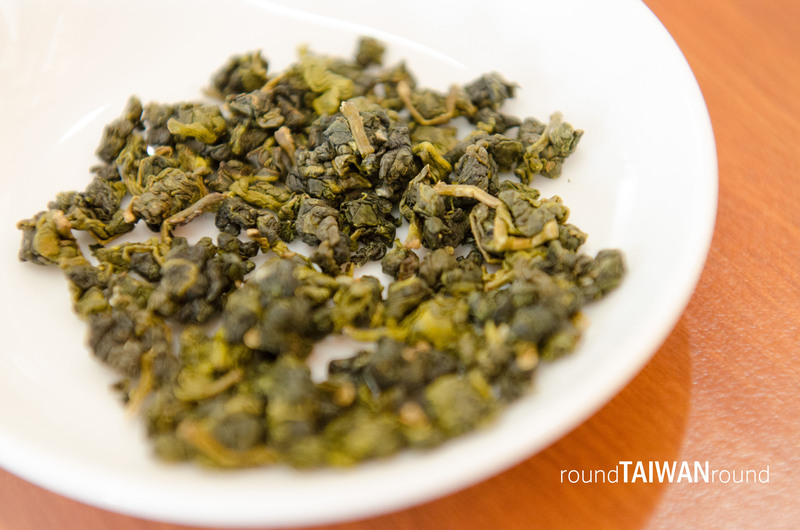
On the market today, the most representative Alishan teas are still Alishan oolong teas. Depending on processing style and roasting level, their flavor profiles generally fall into three categories: light/fragrant (qingxiang), floral/aroma-forward, and roasted.
Light/fragrant Alishan oolong emphasizes a clean, sweet liquor and naturally lifted aroma. It’s smooth on the palate with a clear, lasting sweetness—often the easiest style for first-time high-mountain tea drinkers to enjoy. Floral styles place extra focus on aromatic development during processing, and may show notes of orchid, wildflowers, or ripe fruit. The layers can be especially rewarding for tea lovers who like to slow down and “smell and sip.”
Roasted Alishan oolong adds a light-to-medium roast as a finishing step, creating a rounder, warmer mouthfeel with notes that may lean toward ripe fruit, nuts, or honey. It also tends to be more forgiving and highly re-steepable—one reason it’s a favorite among experienced tea drinkers.
From our editor’s own tastings across Alishan tea areas, you can clearly feel this: even with the same tea cultivar and similar techniques, different gardens still produce subtle but distinct differences—driven by elevation, slope orientation, sun exposure time, and soil. That nuance is exactly what makes Alishan tea so fascinating.
Alishan Tea: History and Today’s Industry Landscape
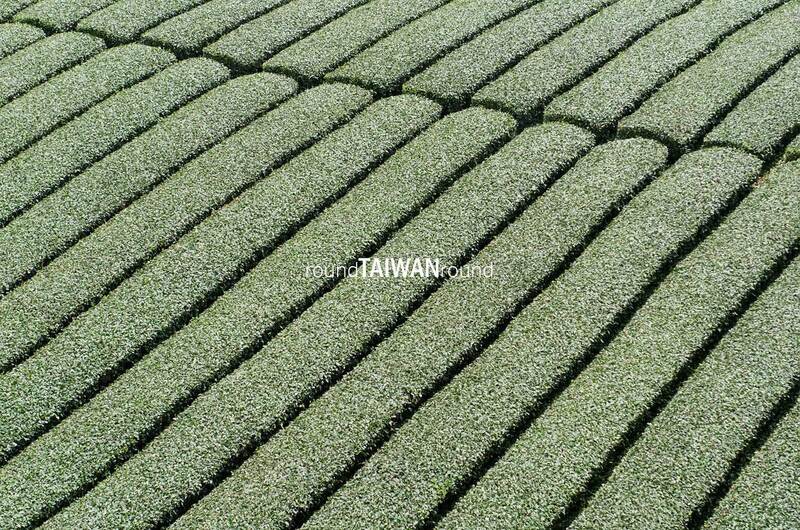
Based on conversations with tea farmers and visits to production areas, Alishan’s tea industry didn’t “explode overnight.” It gradually evolved—from small-scale, for-home-use tea making into a competitive high-mountain tea industry. Early production leaned heavily on traditional handcrafting and experience-based judgment for key steps like withering, oxidation, and pan-firing. The results could vary more, but they carried strong artisan character.
As demand grew and techniques advanced, modern Alishan tea production increasingly introduced temperature and humidity control and more standardized procedures. The goal isn’t to replace tradition, but to preserve core high-mountain tea character while improving overall stability and safety—making Alishan tea easier for both domestic and international markets to trust and love.
In Taiwan’s tea market, Alishan tea has long been seen as a flagship of high-mountain tea. Tea harvests are commonly discussed in four “seasons” (spring, summer, autumn, winter), and timing makes a major difference to quality and flavor. In practice, spring and winter harvests are most often considered the “best of the best,” drawing the most attention—and usually higher prices.
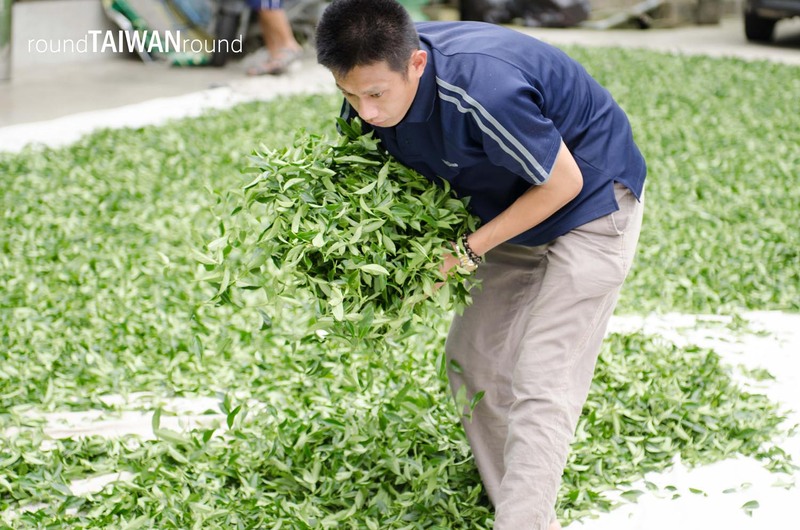
Spring tea is typically harvested from mid-March to early May, with a fuller, more intense flavor and richer layers. Winter tea is generally harvested from late October to late November, known for its clean, crisp aroma and “bright” mouthfeel. Both are also prized for excellent endurance across multiple infusions. People who truly understand Alishan tea don’t just look at the origin name—they also pay attention to harvest season, garden location, and processing style. That’s why Alishan tea isn’t only a place name; it represents a mature, reliable high-mountain tea quality system.
In real-world harvesting operations, high-mountain tea regions also follow a professional rhythm. During spring harvest, picking often starts in lower elevations and gradually moves upward (for example: Mingjian → Lugu → Alishan → Shanlinxi → Cuifeng → Lishan). Winter harvest tends to run in reverse, starting at higher elevations first and moving downward. This “low-to-high in spring, high-to-low in winter” pattern reflects how temperatures warm and cool differently across elevations—and it’s the result of decades of local farming experience.
🍵 At a Glance: Spring vs. Winter Harvest
| Feature | Spring Tea (春茶) | Winter Tea (冬茶) |
| Harvest Timing | Mid-April to Early May | Late October to November |
| Flavor Profile | Intense, bold, and layered | Clean, crisp, and refined |
| Aroma | Vibrant floral scent | Elegant "Cold Aroma" (Leng Xiang) |
| Best For... | Those who love rich, floral intensity | Those who prefer smooth, delicate clarity |
A Complete Guide to Tasting, Buying, Picking, and Making Alishan Tea
Alishan Tea Tasting: How to Taste High-Mountain Tea the Right Way
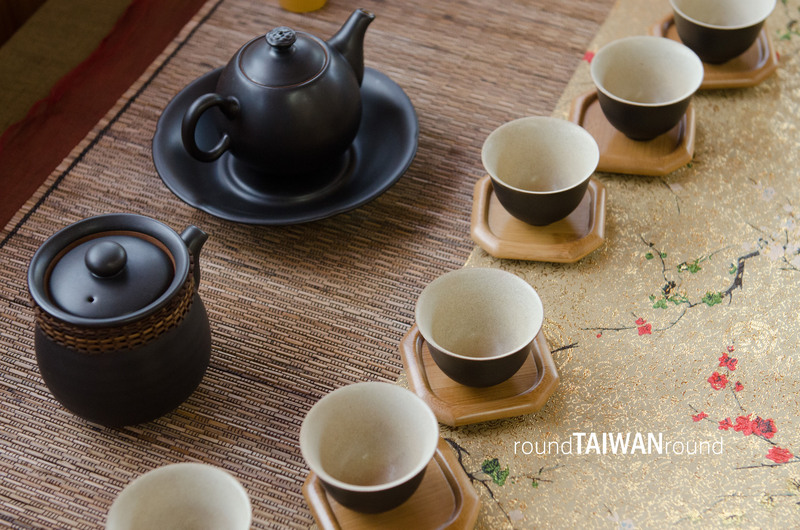
The key to tasting Alishan tea is not mastering complicated techniques—it’s using simple observation and mindful sipping to feel the terroir. A beginner-friendly approach is “look, smell, sip, and finish.” When our editor tastes tea in Alishan, we often simplify it even further into “1) observe, 2) smell, 3) taste.”
“Observe” means checking whether the brewed tea liquor is clear and bright. Many Alishan teas show a pale golden to honey-gold color—often a sign of stable processing and healthy leaf quality. “Smell” is bringing the cup close and lightly inhaling: Alishan tea aromas are usually natural and refined, often floral or gently fruity, rather than aggressively strong or sharp. “Taste” is taking a small sip, letting it sit briefly in the mouth, then swallowing slowly to feel whether the body is smooth and whether the sweetness returns naturally.
Our editor also pays attention to how the cup is held: gently pinch the rim with the right thumb and index finger, support the base with the middle finger, keep the ring and pinky naturally tucked in, and lightly steady the base with the left hand. It’s a small ritual—lift slowly, sip slowly—and you’ll notice more nuance in the tea.
Also, if you’re tasting tea in Alishan, we highly recommend chatting with the tea garden owner. You’ll often learn details about tea tree care, processing decisions, and local culture and everyday life—stories you simply can’t get from “just drinking tea.” It makes each cup feel warmer and more meaningful.
🍵 RTR Editor’s Tea Tasting Tips
- 1) Observe, 2) Smell, 3) Taste: clear liquor, natural aroma, and low bitterness with a sweet aftertaste are great signs.
- A common beginner mistake: steeping too long. Stronger isn’t always better!
- Talk to the tea garden owner—sometimes you’ll unlock surprising knowledge about tea and Alishan culture.
Alishan Tea Buying Guide: How to Choose High-Quality Alishan Tea
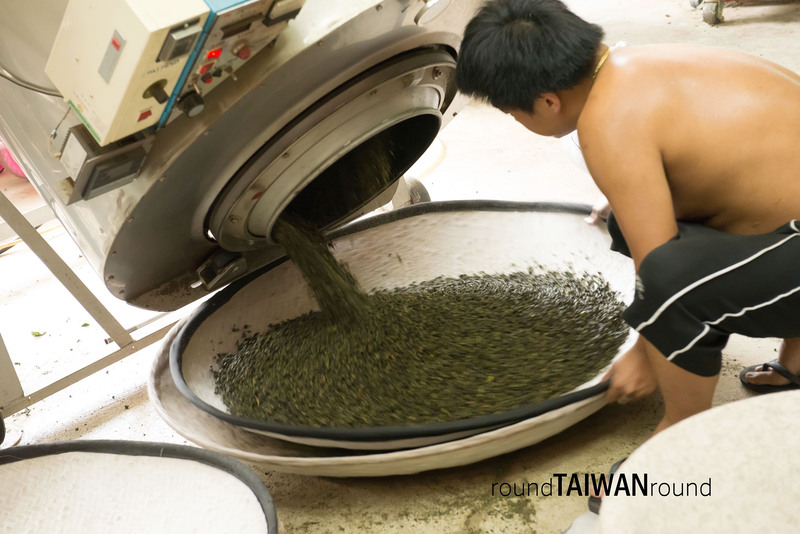
When buying Alishan tea, don’t judge by origin name alone. Look at the dry leaf appearance, aroma, and how it performs in the cup. High-quality Alishan tea usually has tightly rolled, evenly shaped leaves with a naturally glossy look—avoid tea that looks overly dull, overly broken, or excessively dusty. If you can smell the dry leaf, the aroma should feel clean and fresh, without a stuffy or off smell.
In tasting, the liquor should be clear and bright, smooth on the palate, low in bitterness, and gradually sweeten after swallowing. Truly good Alishan tea also tends to be re-steepable: even after several infusions, the aroma and flavor remain stable—rather than being very strong at first and then quickly fading.
Harvest season is another key factor affecting quality and price. Spring and winter teas are widely considered the “best seasons” in Alishan, offering fuller structure and better layers, and they are typically priced higher. When buying, ask about harvest date, garden location, and processing style. You’ll get a tea that fits you better than simply chasing a low price or fancy packaging.
🍵 RTR Editor’s Alishan Tea Picking Tips
- Don’t look at origin name only—check leaf appearance and smell the dry leaf if possible.
- Harvest season, garden location, and processing style all influence the price range.
- If possible, choose tea harvested within about one week around a seasonal solar term—quality is often better.
- Other criteria our editor may look for: SGS testing reports, or whether the tea has won awards in competitions.
- Check for certification marks (Alishan Township origin agricultural product label). It’s issued by the Alishan Township Office in Chiayi County and includes a QR code you can scan.
- Last but most important: always taste first—what you enjoy matters most.
Alishan Tea Picking and Tea Making: A Complete Walkthrough
Alishan tea picking mainly centers on two peak seasons: spring tea and winter tea. Spring tea typically falls from mid-March to early May, while winter tea is usually from late October to late November. During harvesting, tea farmers commonly pick “one bud and two leaves” or “one bud and three leaves” to balance tenderness and internal compounds. Because high-mountain climates are cooler and tea bushes grow more slowly, picking is also slower than in lowland tea areas—requiring more patience and experience.
As for tea making, traditional Alishan oolong production typically includes sun withering, indoor withering, tossing/oxidation management, fixation (kill-green), rolling, and drying. Every step must be adjusted based on the day’s weather and the leaf moisture level—there isn’t one fixed timetable that works for all conditions. That’s also why even the same batch of fresh leaves can taste slightly different when made by different masters.
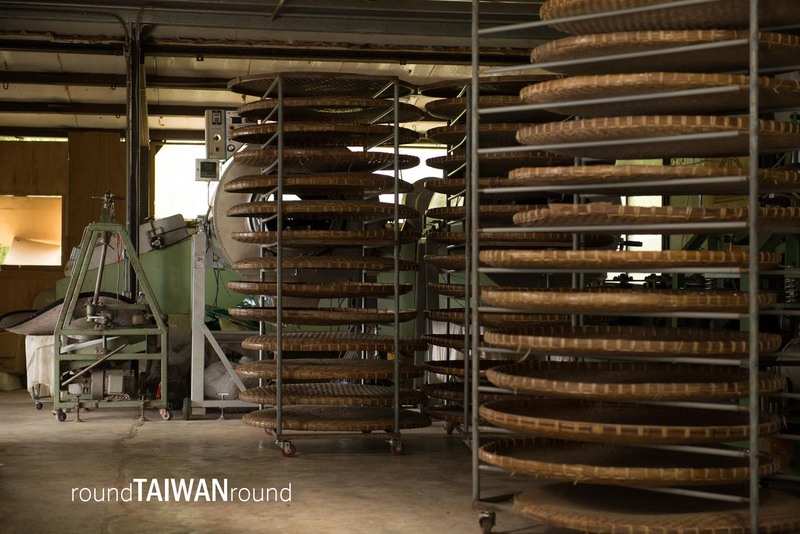
For travelers, Alishan tea-making experiences are perfect for anyone curious about tea culture and eager to understand where high-mountain tea flavor really comes from. By joining a tea picking activity or a simplified tea-making session, you’ll not only understand the “why” behind the taste in your cup—you’ll also feel the time, skill, and care that tea farmers put into every batch. From RTR’s tour experience, even a half-day tea-making session can noticeably deepen your understanding and respect for Alishan tea.
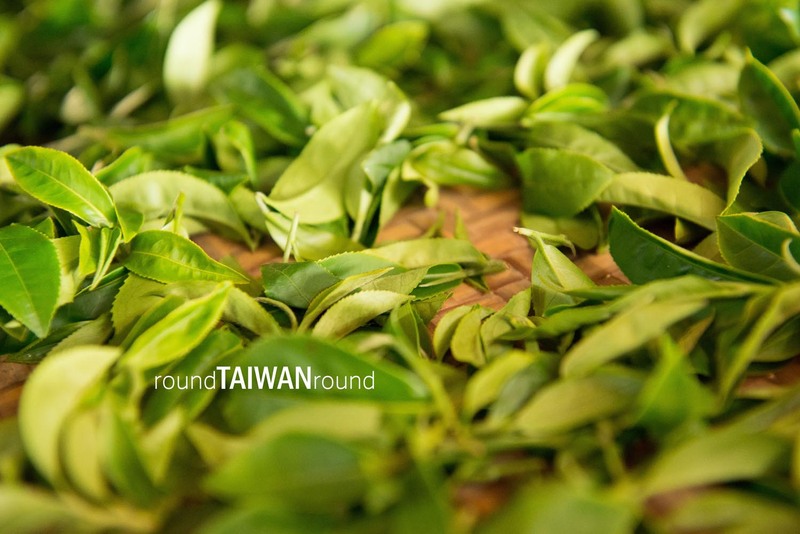
🍵 RTR Editor’s Tea Picking & Tea Making Tips
- Alishan’s key harvest seasons are spring tea (mid-March to early May) and winter tea (late October to late November).
- Traditional Alishan tea making includes sun withering, indoor withering, oxidation management (tossing), fixation (kill-green), rolling, and drying.
- If you’re joining a tea picking or tea making experience, wear long pants to help prevent insect bites.
- When picking, aim for “one bud and two leaves” or “one bud and two to three leaves,” and gently snap the stem with your fingertips—avoid pinching with your nails to prevent damaging the leaves and causing oxidation that can darken the leaf cut.
RTR Editor’s Picks: 8 Alishan Tea Gardens & Tea Shops (Alishan Tea Spots Map)
This list is curated from RTR’s editor visits—places we’d gladly return to and confidently recommend to travelers. Some are ideal for hands-on tea picking and tea making, while others are perfect for sitting down, sipping slowly, and soaking in the mountain views.
1. Alishan Tourist Tea Garden (Yutong Tea Garden)|Tea Tasting・Tea Picking
#Best for Beginners #House-made Milk Tea
One of the rare “from seed to sale” tea estates in Alishan—covering planting, picking, processing, packaging, and retail. It’s a great choice for first-timers who want a complete introduction to Alishan tea. The owner explains everything with care and personally guides guests through tea picking, tea making, and tasting—very beginner-friendly. There’s also a second-floor viewing garden where you can sip tea while enjoying mountain scenery. Our editor’s personal favorite: their house-made milk tea, which tastes totally different from typical store-bought milk tea. Tea picking is also available in summer, making it a good fit for families and beginners.
2. Shengle Farm|Tea Tasting・Tea Picking・Tea Making
#Sunrise Views #Complete Tea-making Workshop
A well-known tea farm with over 35 years of history—one of the early pioneer tea growers in Alishan. The farm offers lodging, and some rooms have sunrise views, making it a favorite among tea lovers who come specifically to stay here.
You can also reserve a chef’s-choice countryside meal featuring dishes cooked with tea. The full experience takes about 3–4 hours, and just two people can form a group. It usually includes outdoor tea picking, tea-making instruction, tea garden and tea factory tours, tasting six Alishan tea styles, and bringing home a small jar of your own handmade tea. It’s also close to the Er Yan Ping Trail cloud-viewing platform.
3. Yin Shan Yu|Tea Tasting
#Quiet Retreat #Rose Greenhouse
A hidden gem tea shop with soothing views and a quiet atmosphere. The owner grows their own tea and offers tastings that can include competition-grade teas. The greenhouse garden is filled with roses and feels genuinely healing. It’s rarely crowded—perfect for travelers who want to avoid touristy spots and enjoy tea in peace. Nearby, you can also visit Longding Trail and Longyin Mountain Trail, making it one of our editor’s favorite slow-travel bases.
4. Lin Family Tea Garden (Xiaoshan Mu Ming)|Tea Tasting・Food
#Traditional Architecture #Exclusive Zhu Lu Tea
A deep-experience space combining tea gardens, food, and lodging. The traditional three-sided courtyard house preserves classic Taiwanese architecture. One highlight here is Alishan “Zhu Lu Tea,” produced only in the Shizhuo area, using fully hand-picked leaves and a distinct roasting method to maintain quality. The experience includes a tea garden tour, climbing 101 steps to visit the family’s historic home, enjoying a special set meal in the old house, and then relaxing on outdoor tea mats for tea and conversation. Expect about 2–2.5 hours total, with pricing typically including both the tea seating and meal. Nearby stops include Leye Tribe and the Shizhuo trail network.
5. Ruimingxiang Tea|Tea Tasting・Tea Making
#Hand-rolling Experience #Near 1314 Platform
Located in Ruili Village, Meishan Township—often called “Alishan’s back garden” for its tranquil natural setting. Their signature is a hands-on experience combining hand-picked leaves and hand-rolling—great for travelers who want to truly understand the tea-making process. After the session, you can also visit the 1314 Viewing Platform and Zhukeng River Trail. It’s easy to plan with flexible timing.
6. Shanjiao Tie Tea House
#Reservation Only #Mountain Panorama Meal
Described by our editor as “a hidden gem within a hidden gem,” with an incredibly wide valley view. The shop is reservation-only. Besides tea, they also serve a特色 meat bone tea meal—eating with the mountain panorama is a memory-maker. Pair it with visits to Zhangshuhu Sakura Valley King Tea Pavilion or Fenqihu for a relaxed half-day itinerary.
7. Baiguan Tea Factory|Tea Tasting
#Tea Oil Noodles #Convenient Near Fenqihu
Only about a 15-minute drive from Fenqihu—beautiful scenery and relatively convenient access. In addition to tea tasting, they offer a memorable specialty dish: bitter tea oil dry noodles with oolong tea. Nearby, you can also visit Laiji Tribe and the Meishan Green Tunnel, making it a great add-on around the Fenqihu area.
8. Zuo Yi Tea House
#Japanese Style #Tea Ochazuke
A Japanese-style tea house with thoughtful design and outstanding views. Their signature dish is tea ochazuke (tea rice), made with Alishan small-leaf black tea blended with dashi. The flavor is delicate and refined. There are only three mountain-view tatami seats—each with a top-tier panorama—so it feels extra special. Nearby, you can plan stops like Mihuti Trail, Shizhuo Viewing Platform, and the Shizhuo trails, making this a stop that satisfies both your eyes and your taste buds.
Bonus: Alishan Tea Trails (Tea Garden Trails Map)
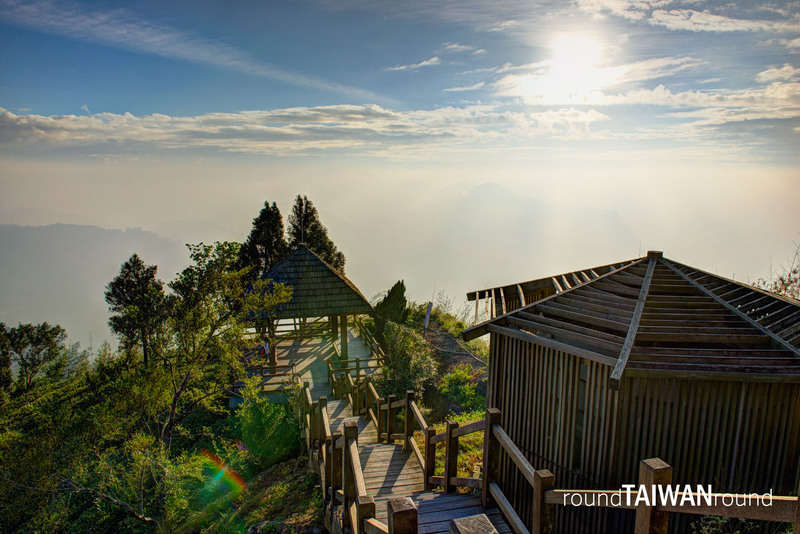
The previous section focused on tea gardens and tea houses for tasting tea and joining tea picking/tea making experiences. If you want to get even closer to the natural landscape where tea grows, Alishan’s tea garden trails offer a completely different way to experience tea culture. From sipping quietly to actually walking through the hills and seeing how tea bushes relate to terrain and weather—Alishan tea culture is often hidden in these everyday mountain scenes.
Most Alishan tea garden trails run along tea settlements and tea fields. Along the way, you’ll see terraced tea rows, fog, and layered mountain ridgelines—great for a half-day plan that blends light hiking with nature observation. Walking these trails also helps you directly understand how elevation and slope orientation shape both scenery and tea flavor. Below are four representative routes that balance views, accessibility, and a strong tea-region atmosphere.
1. 1314 Viewing Platform|A Must-Visit in Ruili: A “Forever” Romantic Tea Garden Walk
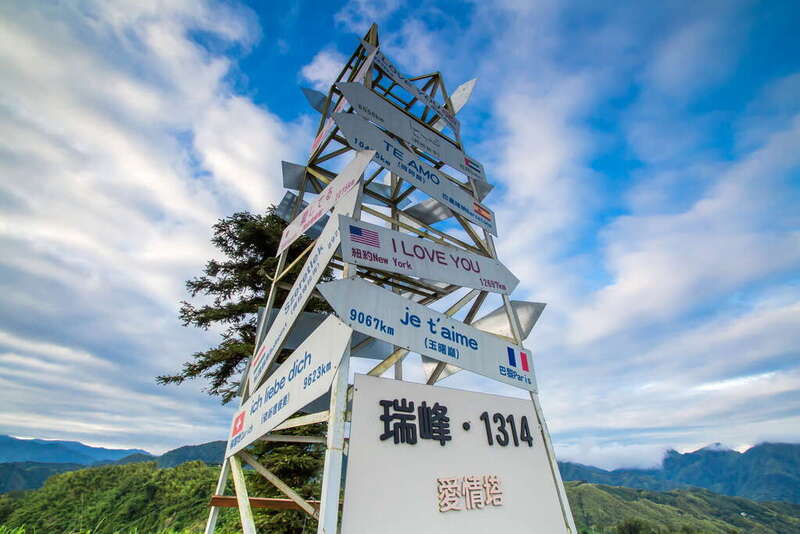
Image source: Alishan National Scenic Area Administration, Tourism Administration (Taiwan)
Located at the highest point of Haishu Mountain in Ruili Village, Meishan Township, the “1314 Viewing Platform” is named from its elevation concept (1,311 meters plus a 3-meter pavilion), sounding like “forever” in Chinese. It’s a top date spot for couples. The short loop offers 360-degree, wide-open views over lush tea fields, and you can also see Caoling Dajianshan in the distance.
- Travel note: Very short and gentle—suitable for all ages.
- Friendly reminder: The industrial road leading to the platform is narrow—drive carefully when passing oncoming cars. It’s also a hidden gem for sunrise viewing in the Alishan area.
2. Shizhuo Trail Network|“Five-Star” Quality: Walk Through Fog, Tea Fields, and Cedar Forests
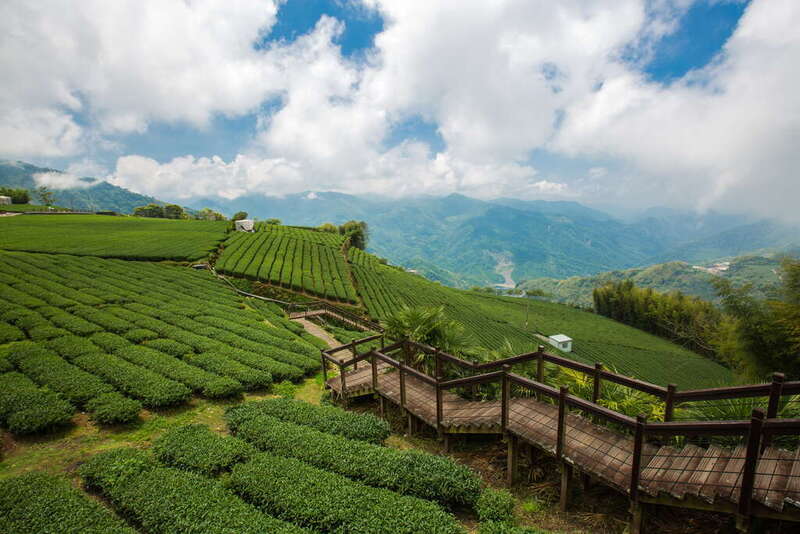
Image source: Alishan National Scenic Area Administration, Tourism Administration (Taiwan)
The Shizhuo Trail Network entrance is located at the 63.5K mark on Provincial Highway 18 (Alishan Highway), near Shizhuo along the route. The Alishan National Scenic Area Administration integrated existing trails and extended planning to form six routes: Tea Trail, Mist Trail, Cloud Trail, Sunset Glow Trail, Cherry Blossom Trail, and Love Trail. Each route is a moderate length, and you can choose one or link multiple trails depending on your time and stamina.
The network includes Mist Trail (original Shizhuo Trail, 880 m), Tea Trail (1,030 m), Cloud Trail (original Cedar Forest Trail, 700 m), Sunset Glow Trail (530 m), Cherry Blossom Trail (990 m), and Love Trail (662 m). Along the way you can enjoy ever-changing fog, clouds, and light, and also pass through striking transitions—from tidy tea fields to cedar forests and bamboo groves—creating layered, varied scenery.
- Travel note: We recommend linking “Tea Trail” with “Mist Trail” or “Cloud Trail” for a smooth route with strong scenery changes—tea fields and forest paths in one go.
- Friendly reminder: From late autumn to early winter, fog and sunset light can shift quickly from afternoon to dusk—prime time for mountain views and cloud seas. Leave schedule flexibility and watch weather/visibility changes.
3. Er Yan Ping Trail|Classic Photo Spot: Alishan Highway’s Best Cloud Sea & Sunset View
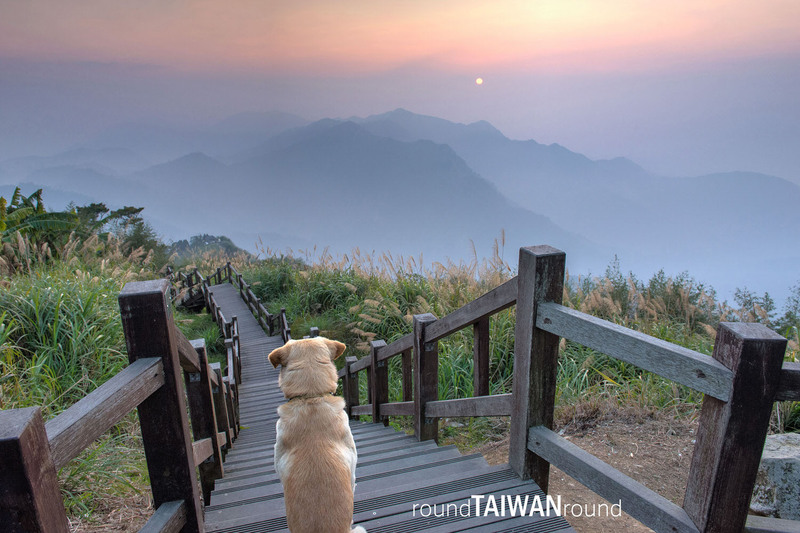
Located in the Xiding area, Er Yan Ping Trail is one of the most iconic attractions along the Alishan Highway. Expect layered tea hills, unique giant stone retaining walls, and dramatic cloud seas. The viewpoints are excellent—on clear days, you can even see the Chiayi–Tainan plains and Renyi Lake. It’s widely recognized by photographers as a top sunset spot.
- Travel note: Mostly wooden boardwalks, but with many stairs—expect a bit of a workout. Wear comfortable walking shoes.
- Friendly reminder: Parking near the entrance is limited, and weekends get crowded. Arrive earlier in the afternoon if you want a good spot for sunset.
4. Taixingyan Trail|Best Beginner Option in Meishan: The Most Easygoing Tea-Sea Boardwalk
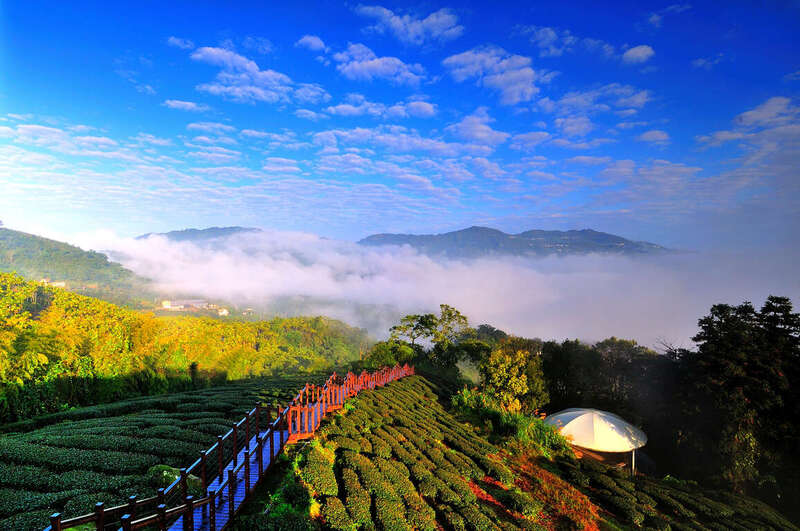
Image source: Alishan National Scenic Area Administration, Tourism Administration (Taiwan)
Taixingyan Trail in Taixing Village, Meishan Township is famous for its “incredible value for effort.” The entrance is right next to the parking lot—step out of the car and you’ll immediately see a long wooden boardwalk stretching straight into the heart of a tea sea. The visual impact is strong, and it’s an ideal first stop for travelers visiting Alishan tea areas for the first time.
- Travel note: Gentle slope and short distance—great for families and seniors.
- Friendly reminder: From late August to September, this area is also a popular spot to watch the “wanlu chaofeng” spectacle (migrating cattle egrets).
Alishan Tea Experience FAQ
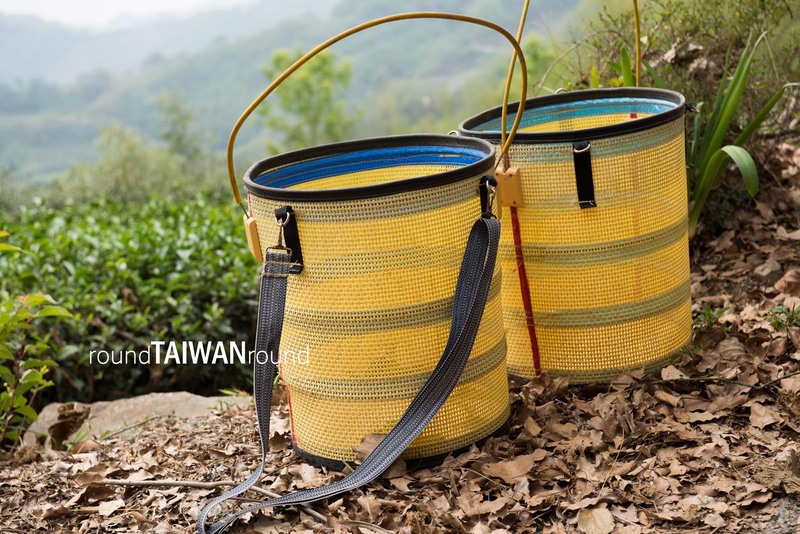
Q: Do I need to bring my own tools for a tea-picking experience in Alishan? What should I wear?
Most tea gardens provide the basic picking gear (such as a picking basket and sun hat), so you usually don’t need to bring your own. That said, our editor strongly recommends wearing long pants and sneakers for traction and to reduce insect bites in the tea fields. When picking, remember the “one bud and two leaves” standard—use your fingertips (thumb and index finger) to gently snap the stem. Avoid pinching with your nails, which can damage the leaf and darken the cut.
Q: How long does a tea-making experience usually take? Can I bring the tea home the same day?
A full traditional tea-making process can take two days and one night (including oxidation/fermentation and drying). However, many Alishan tea gardens offer a “simplified experience” that lasts about 2–4 hours. For example, experiences at Shengle Farm or Ruimingxiang typically skip the longest steps and let you participate in the core parts like rolling and roasting. In most cases, you can take home a small jar of your handmade tea as a souvenir.
Q: Is it normal if the tea tastes “bitter” when tasting tea?
High-quality Alishan tea is known for “low bitterness, high sweetness aftertaste.” If it tastes bitter, there are usually two common reasons: (1) steeping too long (for high-mountain oolong, keep the first infusion under about 60 seconds), or (2) water that’s too hot. If you adjust brewing and it still tastes clearly bitter with little to no returning sweetness, the tea may be lower grade or under-processed.
Q: It’s my first time in Alishan—what tea garden experience do you recommend most?
It depends on what you want. If you want a “one-stop” experience covering the full tea-making flow, we recommend Yutong Tea Garden or Shengle Farm. If you’re a couple looking for a photogenic, quiet atmosphere, try Yin Shan Yu or the Japanese-style Zuo Yi Tea House. If you want a traditional courtyard-home setting paired with a tea seating experience, don’t miss Lin Family Tea Garden.
Q: When visiting Alishan tea gardens for tea tasting, what else can I do nearby?
We highly recommend pairing your tea visit with Alishan tea garden trails—so you can experience the tea mountains beyond the tea table.
- For romantic sunsets: Er Yan Ping Trail.
- Couples’ photo stop: 1314 Viewing Platform.
- Easy walk for beginners: Taixingyan Trail.
- For forest-and-fog vibes: Shizhuo Trail Network.
Q: What is “Alishan tea”?
“Alishan tea” doesn’t refer to a single cultivar—it’s a general name for high-mountain teas grown in the Alishan mountain range in Chiayi County, typically at elevations of about 1,000–1,600 meters. The two most common cultivars are Qingxin Oolong and Jinxuan (TTES No. 12). With frequent mountain fog and big day–night temperature swings, Alishan tea develops a distinctive “mountain character,” known for a sweet, mellow taste, elegant aroma, and a long, lingering finish.
Q: How much does Alishan tea cost per jin (600g)?
Alishan tea prices vary by elevation, harvest season, and processing technique. For hand-picked tea, a common baseline range is about NT$2,400–NT$4,800 per jin (600g).
- Spring and winter teas: typically start around NT$3,200 due to top quality.
- Jinxuan tea: usually more affordable than oolong, often around NT$2,000–NT$3,000.
If a price seems unusually low (for example, under NT$1,000 per jin), be cautious—there’s a chance of imported tea being sold as local tea.
Q: How much does Alishan competition tea cost?
Competition tea pricing depends on award ranking (e.g., Special Prize, First Prize, Excellence Award). For “Excellence Award” teas, starting prices are often around NT$3,600–NT$4,800. For “First Prize” and above, prices commonly start at NT$10,000 and can rise to tens of thousands of NT dollars. Quantities are limited, and many lots are reserved quickly soon after results are announced.
Q: How do I tell Alishan oolong tea from Jinxuan tea?
These are the two most common tea types in Alishan. You can tell them apart by flavor and leaf character.
- Alishan Oolong (Qingxin Oolong): The "connoisseur’s choice" with a cleaner floral aroma, richer body, and a stronger "Hui Gan" (returning sweetness).
- Alishan Jinxuan (TTES No. 12): Often marketed as Taiwan Milk Oolong, this is the "crowd-pleaser." It features a signature natural milky or light osmanthus aroma. Because it is smooth and low in bitterness, it is the perfect entry point for those new to the world of high-mountain tea.
Q: When is Alishan tea harvest season?
Alishan tea is typically harvested twice a year: spring tea and winter tea.
- Spring tea: roughly mid-April to early May, with richer flavor and more aromatic layers.
- Winter tea: roughly late October to late November, with a clear, refined liquor, the lowest bitterness, and a crisp “cold aroma” character.
Q: What is the most expensive high-mountain tea in Taiwan?
In Taiwan, the highest-priced high-mountain tea is commonly recognized as Dayuling tea from Nantou County. With elevations over 2,200 meters, extremely limited output, and very slow growth, prices often start around NT$10,000 per jin. Alishan tea isn’t usually the most expensive, but thanks to stable quality and strong value, it’s widely regarded as one of the most representative “flagship” high-mountain teas in Taiwan.
Q: Is the Alishan tea experience expensive? How do you enjoy tea on-site?
The Alishan tea experience is actually very affordable! Most places offer various tea canisters for visitors to choose from—for example, a canister of Alishan high mountain tea starts at around NT$450. A tea service fee of about NT$80 per person is usually charged, depending on group size. Some tea houses also provide tea-picking and tea-making experiences, typically starting from a few hundred NT dollars. It’s a great value and a wonderful way to explore Alishan’s tea culture—highly recommended for first-time visitors and families.
Q: Besides tea tasting, are there any tea ceremony experiences in Alishan? Where can you join them?
Absolutely! For a deeper dive into Alishan’s tea culture, we recommend joining a tea ceremony experience. Options range from nature-view tea settings and Zen-style tea in old houses to forest picnic tea sessions—each with its own charm. Popular locations include Taiping Suspension Bridge, Taixing Waterfall Trail, Ruili Green Tunnel, and Xi Ding Elephant Mountain. Prices generally range from NT$200 to NT$500 per person, and some are charged per session (e.g., 5 people per session). Advance booking is recommended—contact providers via phone, LINE, email, or social media to confirm available times and details.