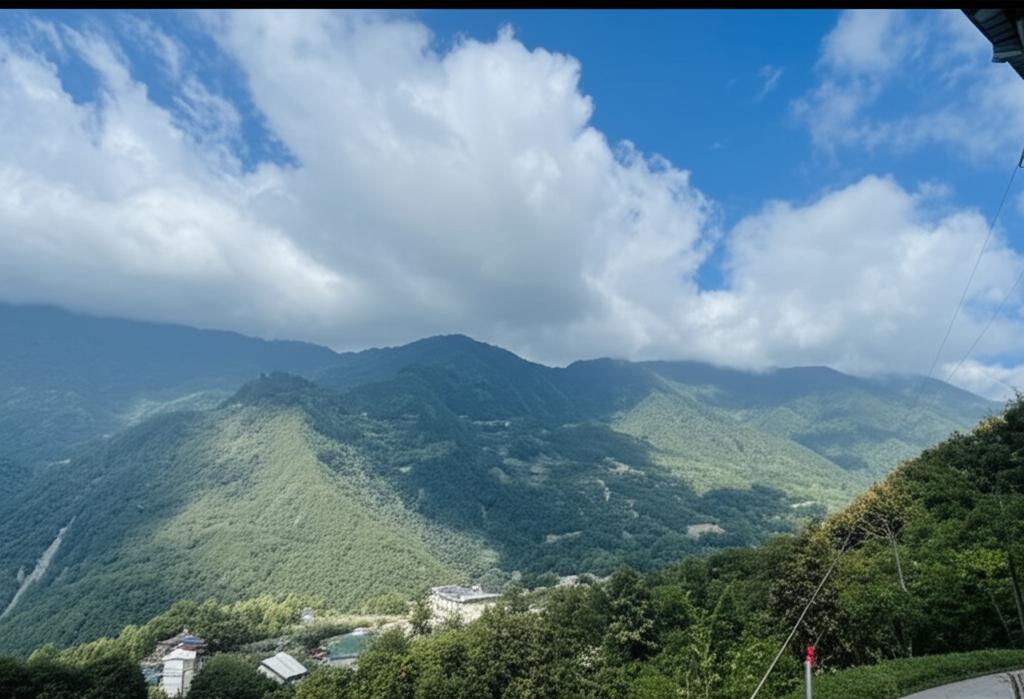
Smangus is a high-altitude Atayal tribe located in the Jianshi Township of Hsinchu County, Taiwan, at an elevation of about 1,500 meters. The natural environment here is remarkably beautiful, with the snow-capped mountains at its back and facing the Takjing River Valley. It boasts rich ecological resources and pristine forests. Due to its high mountain location, the climate in Smangus is cool, making it an ideal place for summer retreat and cherry blossom viewing. Especially in spring, when thousands of cherry trees bloom, it attracts numerous tourists eager to admire the scenery.
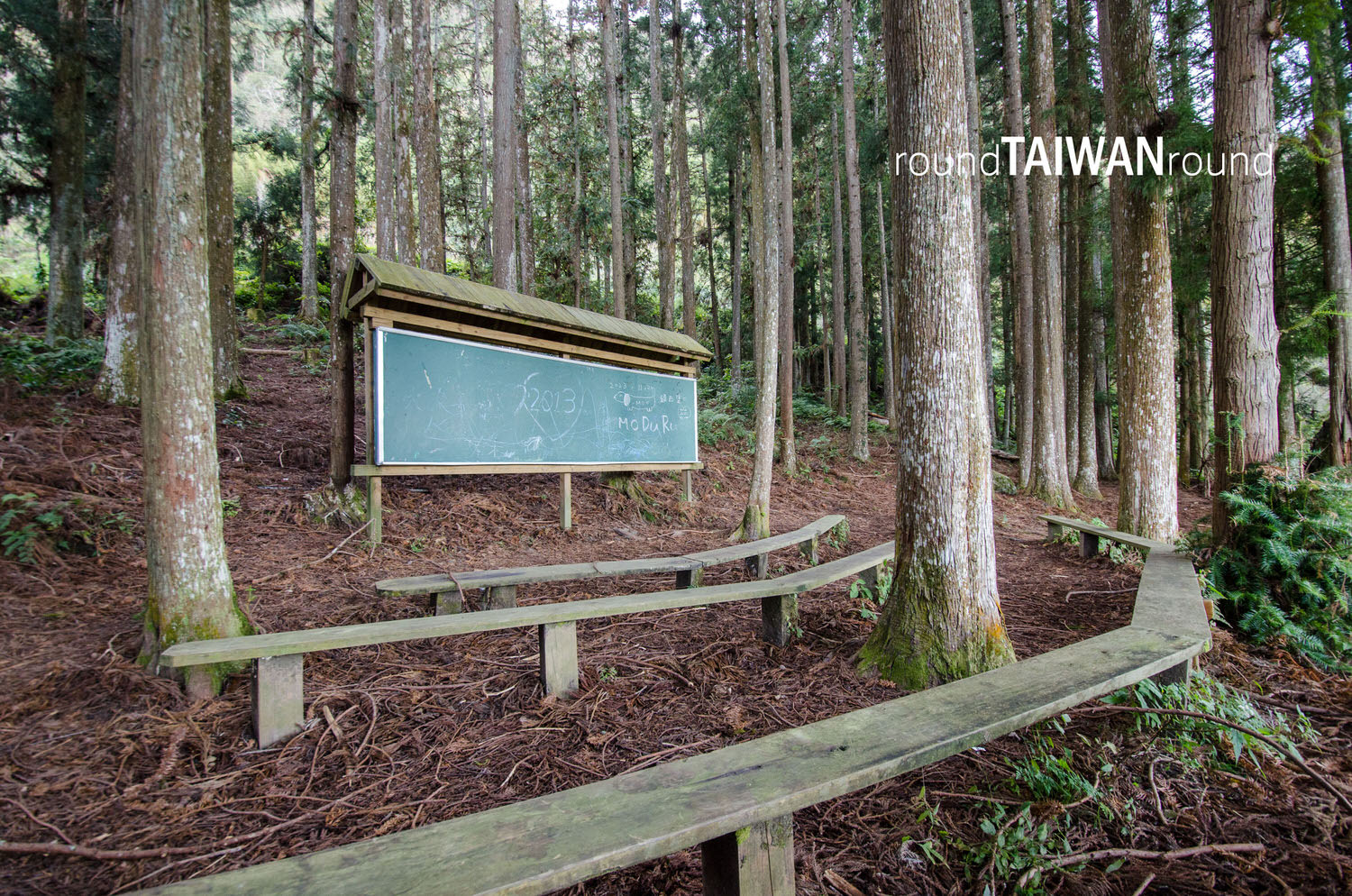
Another highlight of Smangus is the grove of giant trees near the village. This sacred forest not only serves as the guardian of the tribe but is also an important tourist attraction, drawing nature enthusiasts. The grandeur and elegance of these giant trees evoke a sense of nature's power and beauty, providing visitors with a rare opportunity to explore Taiwan's primitive forest landscape.
Historically, the Atayal people of Smangus originally came from Ren’ai Township in Nantou. Due to population growth, they migrated to this area. During the Japanese colonial period, conflicts arose between the tribe and other Atayal sub-tribes, leading some residents to settle in lower-altitude regions. For a long time, due to inconvenient transportation, Smangus remained relatively isolated, not gaining electricity until 1979 and opening a road for external access only in 1995.
With the development of tourism, Smangus has gradually promoted a model of "coexistence with the land and shared tourism," while preserving its unique culture and way of life. Local residents operate guesthouses and restaurants that offer traditional Atayal cuisine, allowing visitors to deeply experience the flavors and warmth of this land. Culturally, the Atayal people in Smangus are also devout Christians, referring to their community as “God’s tribe,” blending faith with traditional culture.
The cherry blossom season from February to March is a grand event in Smangus, attracting a large number of tourists and photography enthusiasts. These characteristics make Smangus not only a tourist destination but also a place for conveying culture and history, undoubtedly securing a place on Taiwan's tourism map.