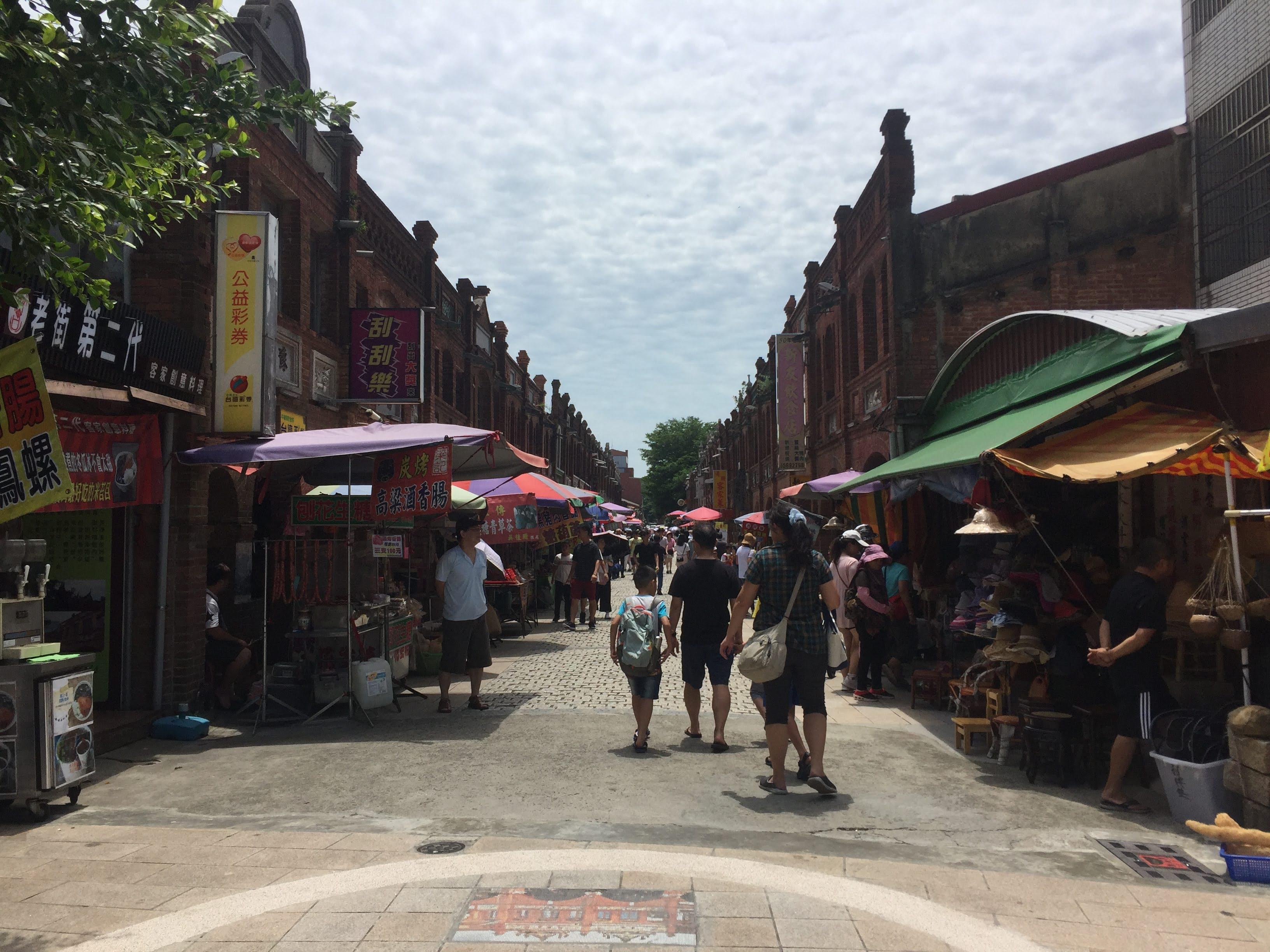
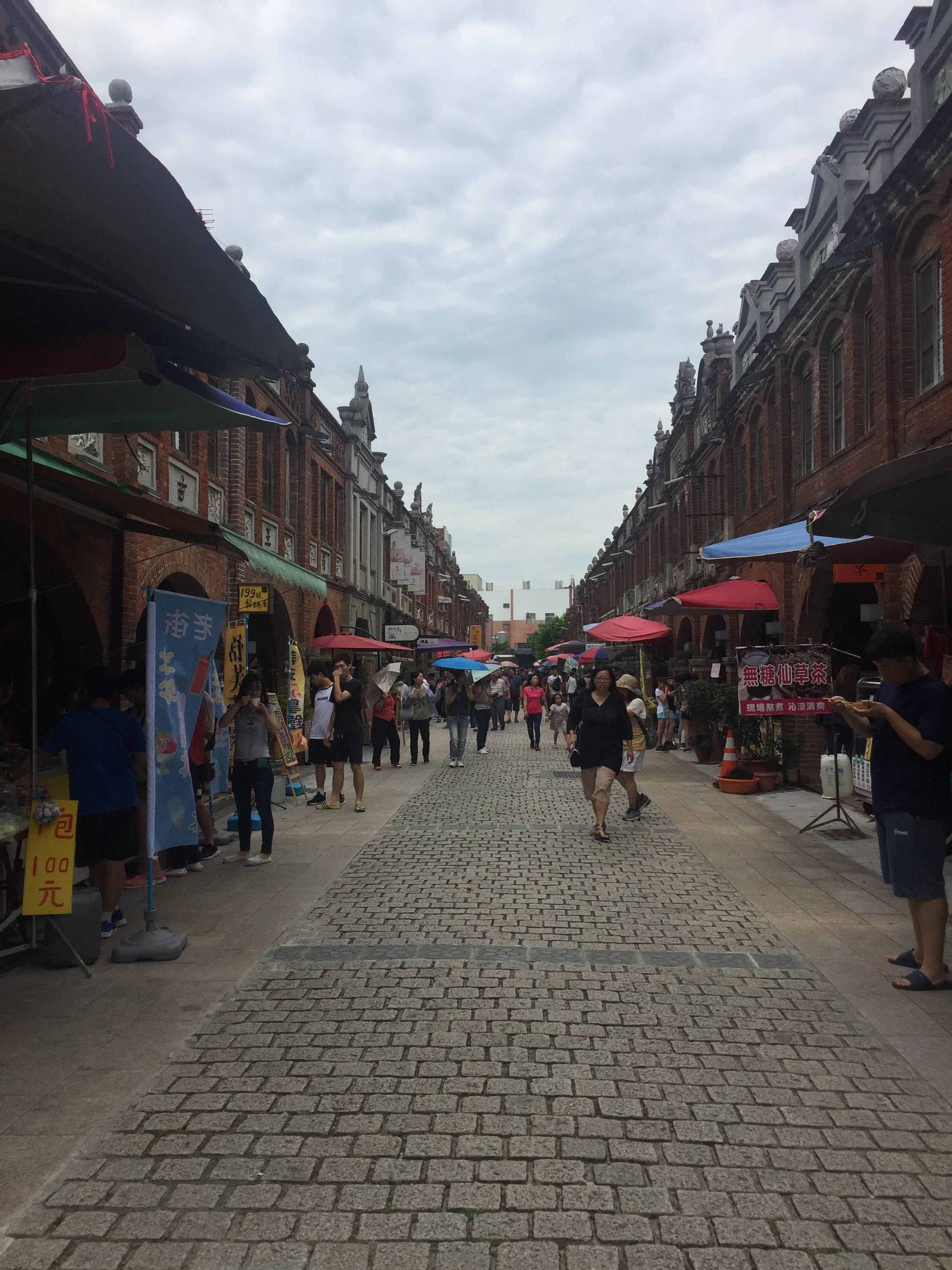
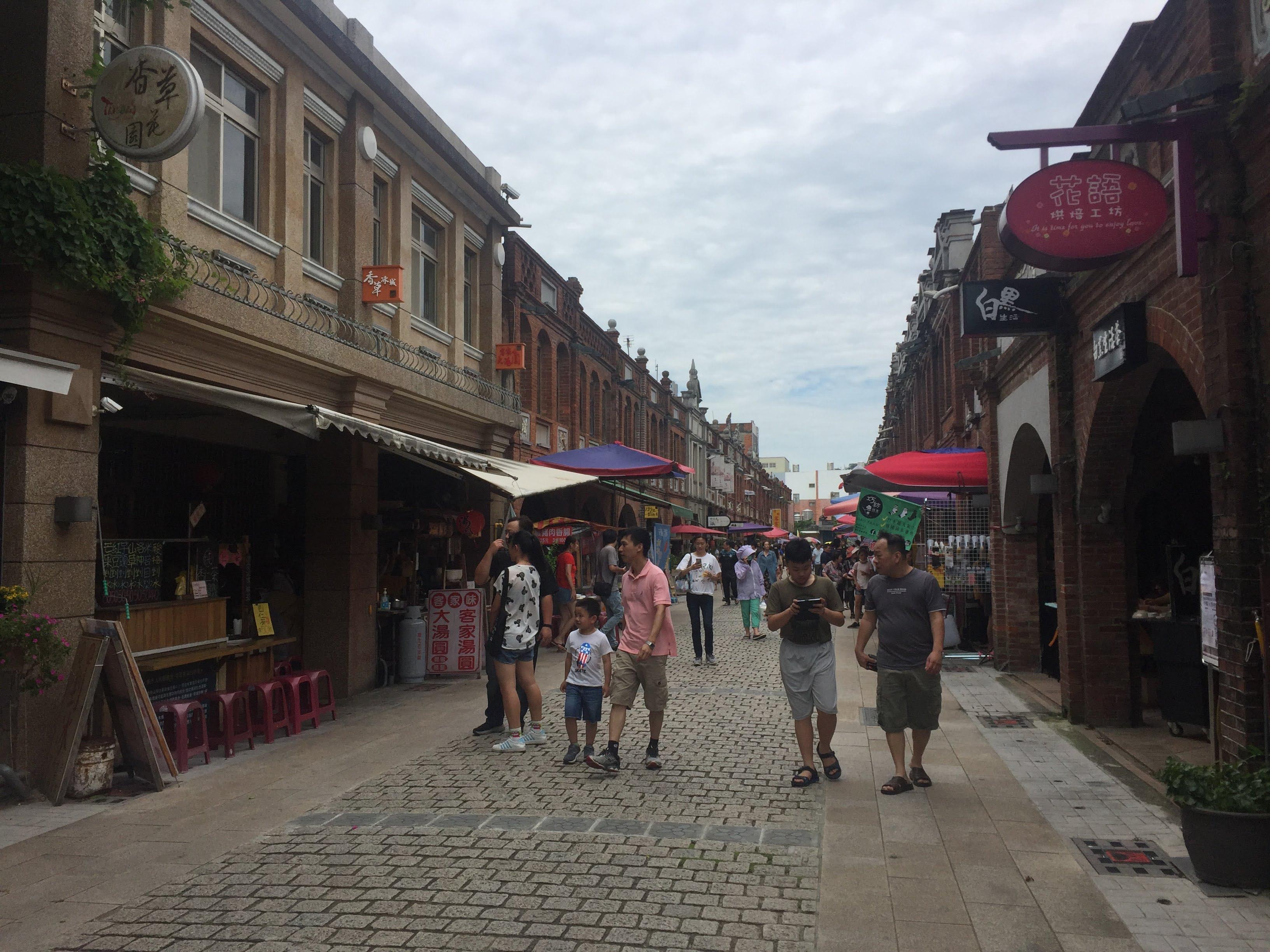
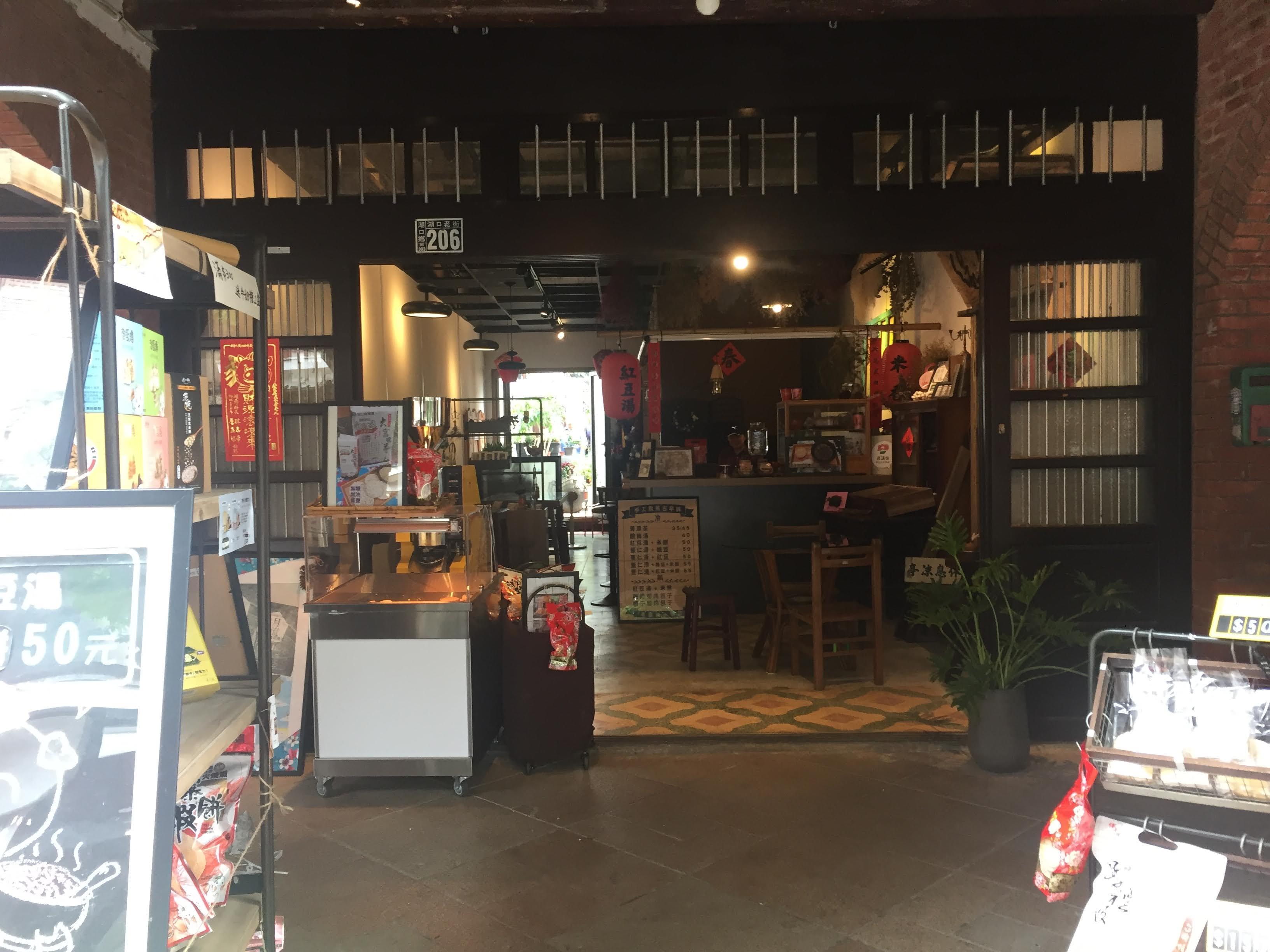
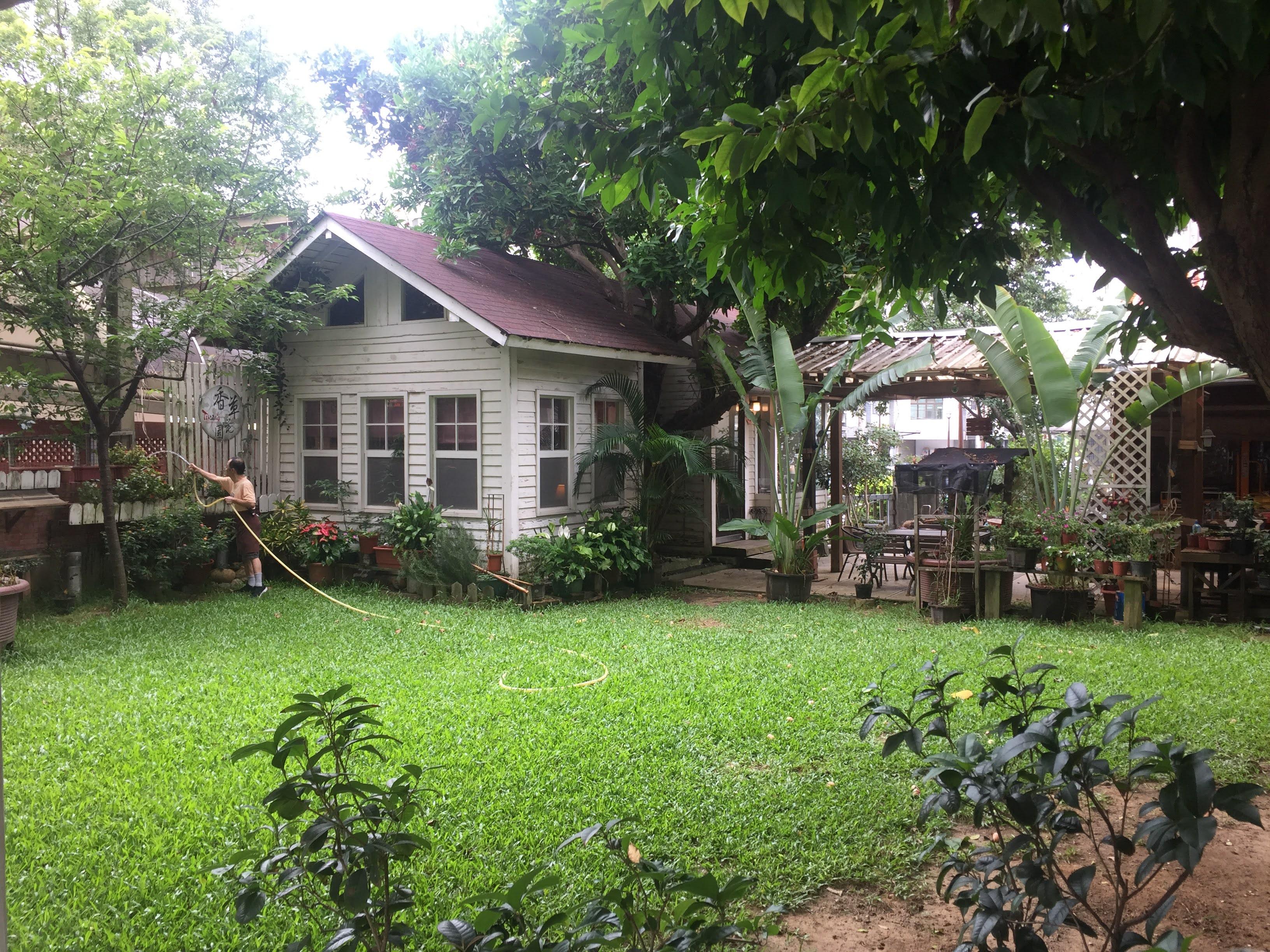
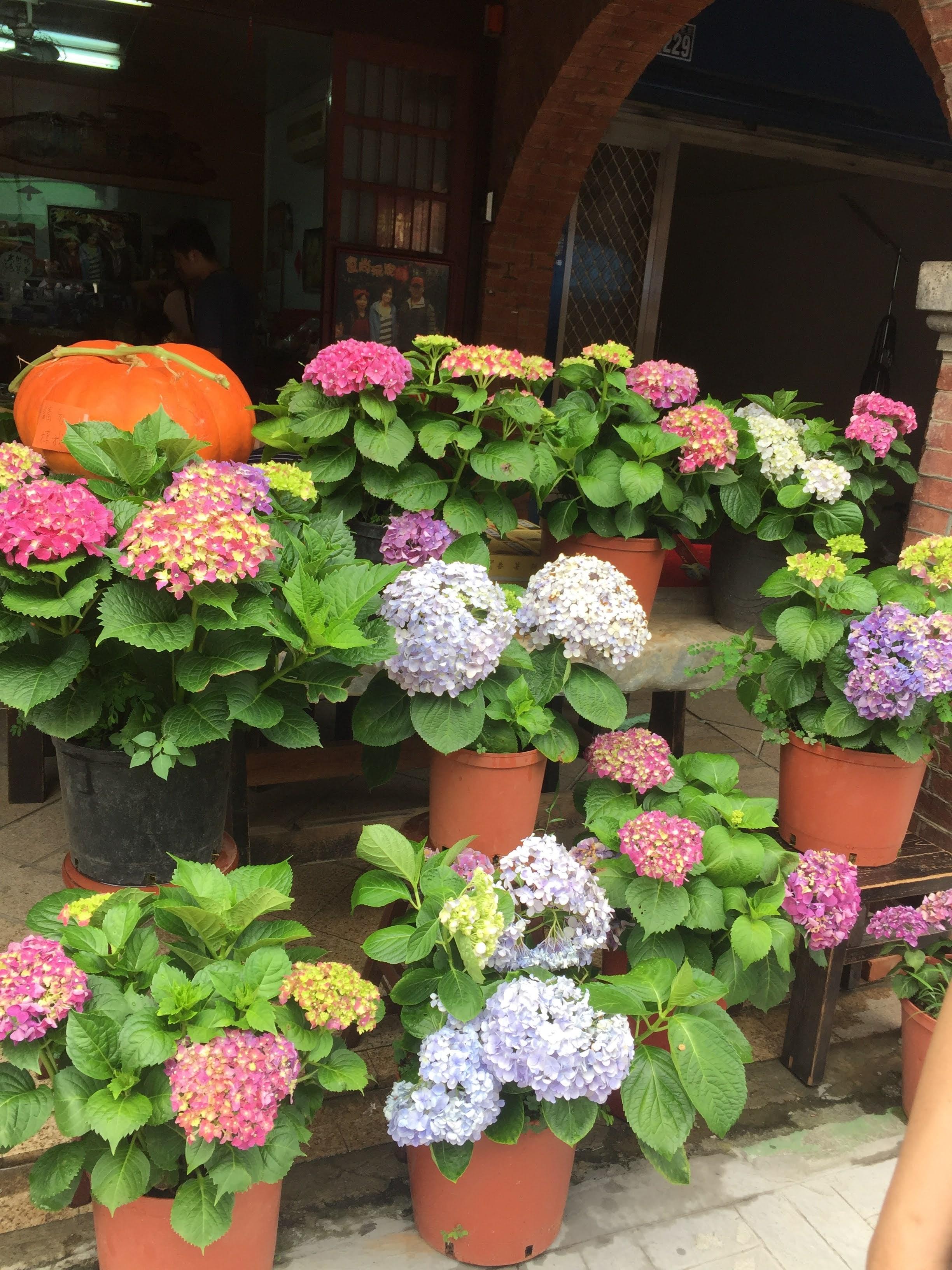
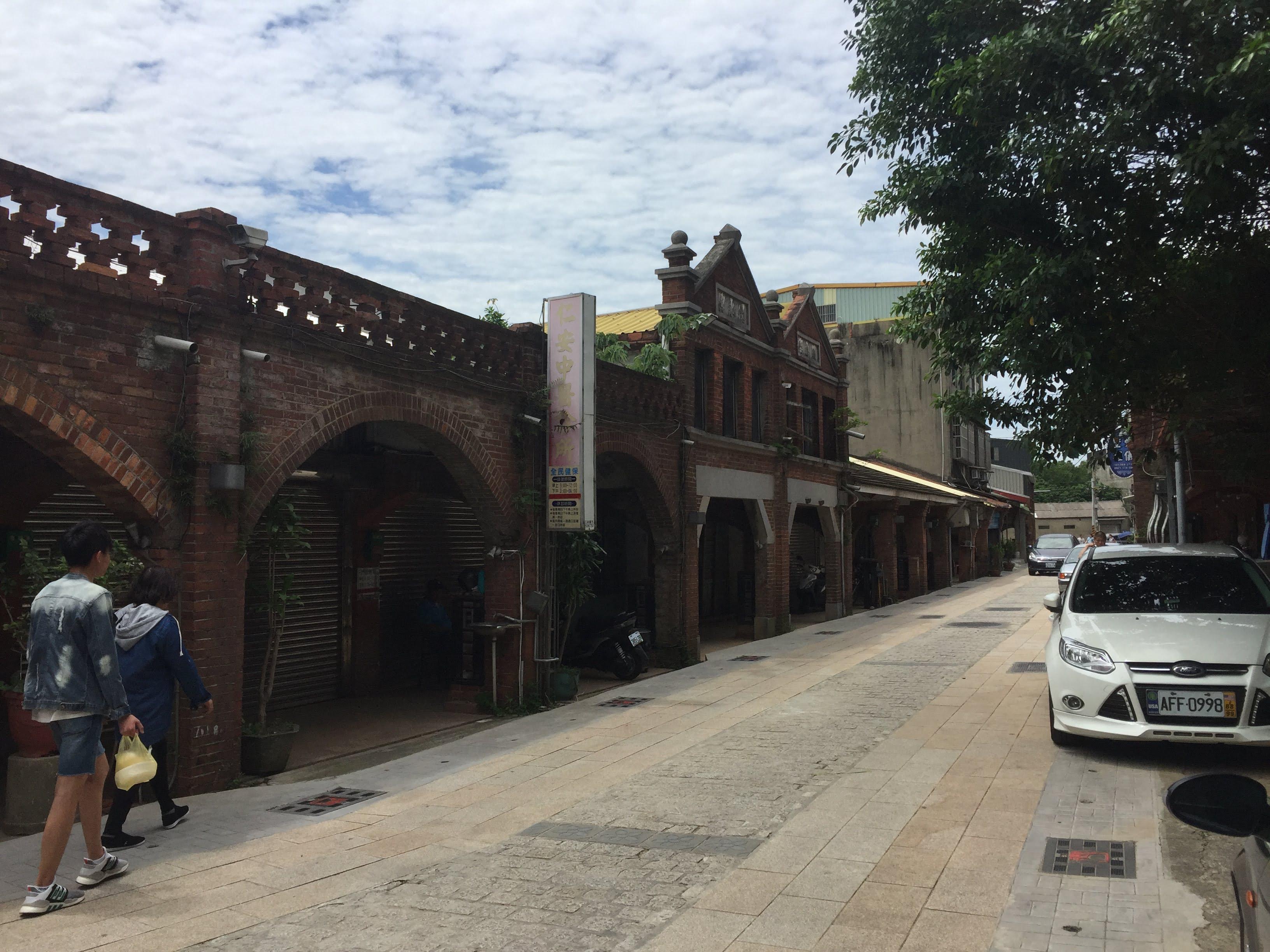
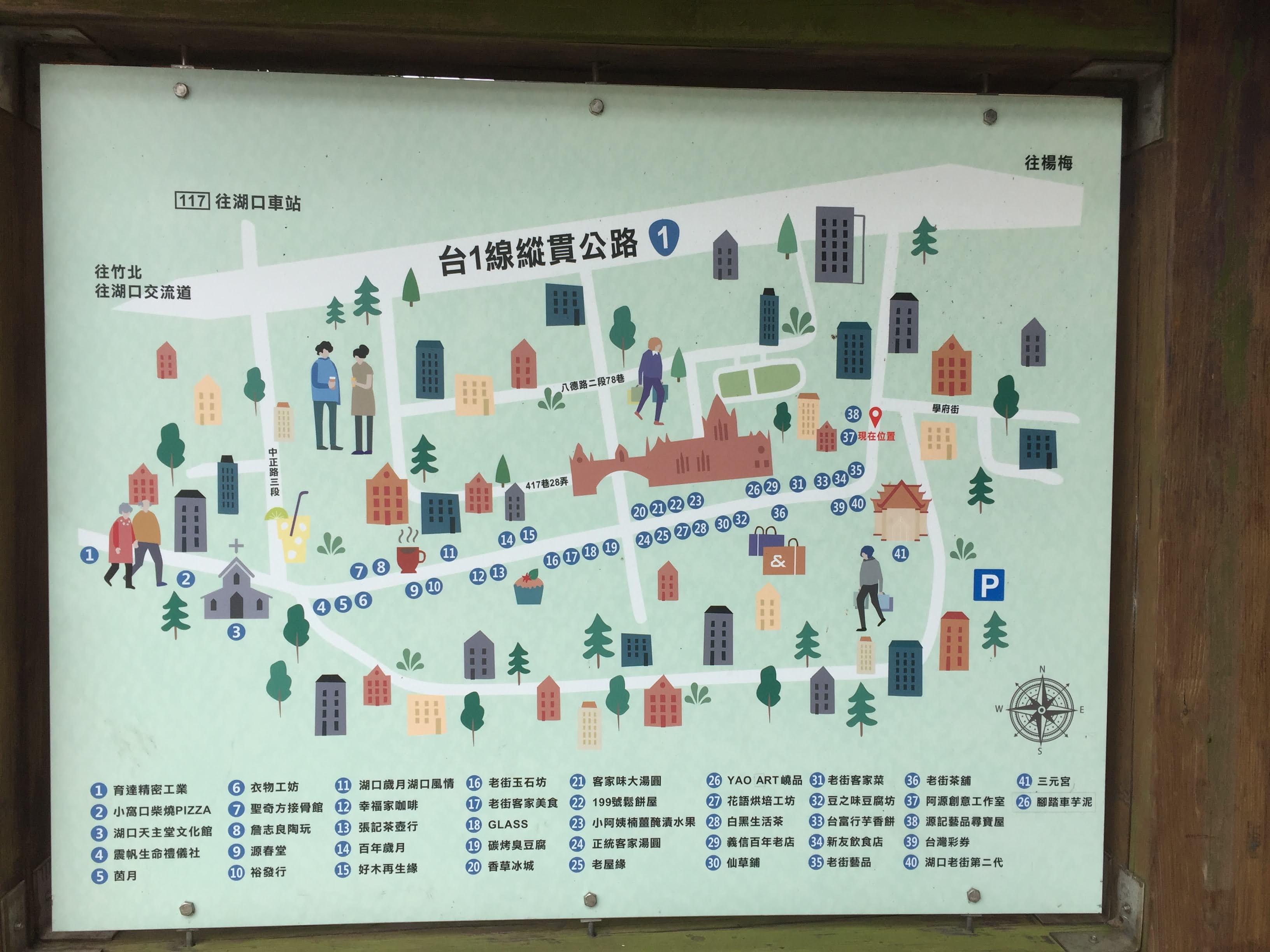
Hukou Old Street, located in Hukou Township of Hsinchu County, is a historical and culturally rich street that attracts many visitors keen to explore Taiwan's history. The architectural style here is well-preserved, featuring red brick Baroque facades complemented by traditional Minnan-style house structures, creating a unique blend of residential and commercial spaces. The exquisite relief decorations on the buildings lining both sides of the street enhance the elegant atmosphere, allowing visitors to feel a strong sense of history as soon as they step in.
The history of Hukou Old Street is closely tied to the development of the railway. It was once home to the "Dahukou Train Dock," making it the center of commercial prosperity. However, as the train station relocated, the old street gradually declined until recent years when it was renovated and revitalized, regaining its historical charm. Along this street, one can still find many well-preserved historical buildings, such as the county-designated historical site Hukou Sanyuan Temple and the old Hukou Catholic Church, which is built on the original site of the old train station, holding special cultural and historical significance. In Hukou Old Street, apart from the historical buildings, the local cuisine is also very tempting. Hakka delicacies shine here, including traditional handmade moon cakes and the classic Hakka dishes from Aunt Qiu, allowing visitors to savor authentic Taiwanese flavors.
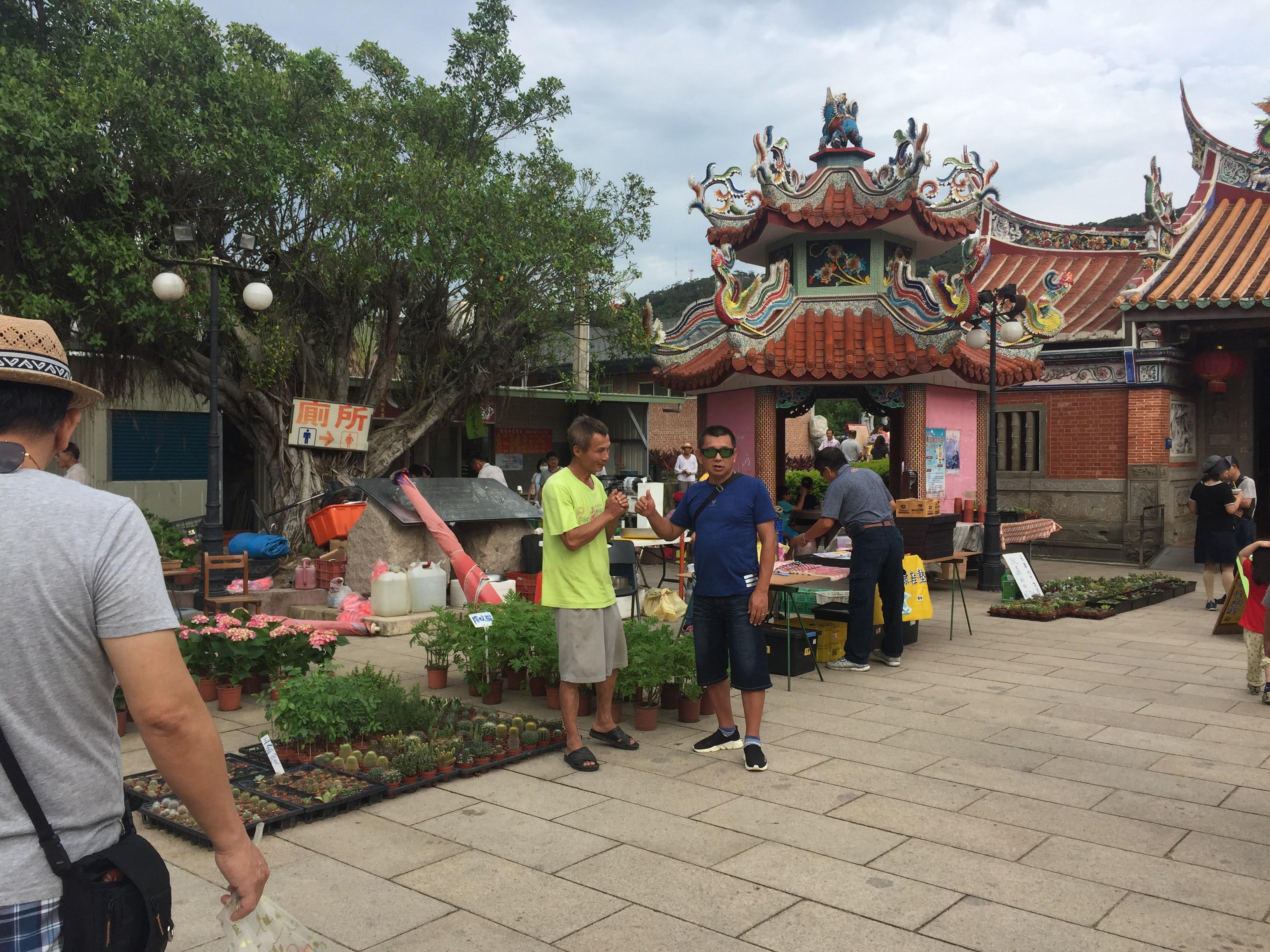
Additionally, the Hukou Creative Cultural Park offers a wealth of cultural and creative experiences and shopping options, enabling tourists to enjoy artistic creations while sampling delicious food. Hukou Old Street's attractions include the Hukou Sanyuan Temple, an important spiritual center dedicated to deities such as Guanyin and Mazu, which, together with the Catholic Church, serves as a religious pillar for the local community. During festivals and celebrations, these sites become lively focal points, attracting devotees for pilgrimage, making them moving places that combine culture and religious belief.