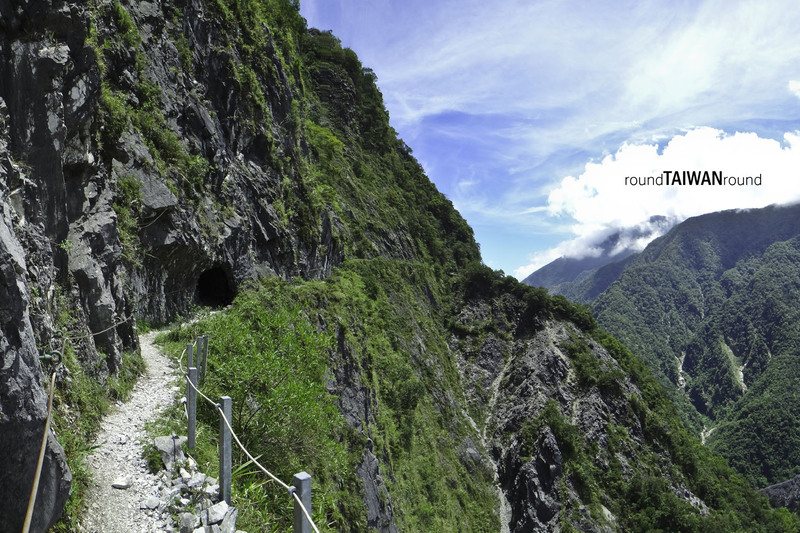



Taroko Gorge, one of Taiwan’s most iconic natural landmarks, continues to attract travelers eager to experience its dramatic marble cliffs, deep canyons, and scenic trails. But after recent earthquakes, weather-related disruptions, and ongoing safety evaluations, many visitors are asking the same question: is Taroko Gorge open right now, and is it safe to visit? This comprehensive travel update explains the current access status for international visitors, which areas are open or restricted, and what this means for your itinerary. Drawing on official announcements from Taiwan’s national park authorities and local tourism offices, this guide also covers transportation options, safety considerations, and practical travel tips to help you decide when—and how—to visit Taroko Gorge responsibly and confidently.
Taroko Gorge Trail Classification System
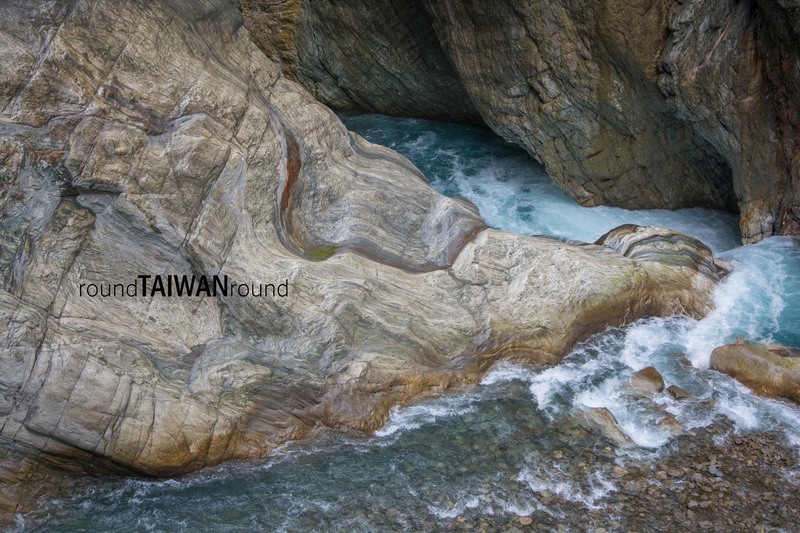
The park classifies its trails into six difficulty grades. Grade 0 is the easiest to access, while Grade 6 is the most challenging. With this system, you can easily determine which trail is best suited for you or your group.
Grade 0
-
Description:
Flat trails with good facilities. Gentle slope. -
Suitability:
All ages, wheelchair users, and children’s strollers. -
Recommended Equipment:
Water, hiking snacks, rain gear, mobile phone.
Grade 1
-
Description:
Well maintained trails with facilities in good conditions, and it features guiding resources and a gentle slope. A normal itinerary takes half a day to one day to complete. -
Suitability:
Walkers -
Recommended Equipment:
Water, hiking snacks, rain gear, mobile phone.
Grade 2
-
Description:
Well maintained trails with facilities in good conditions, but the slope has slight undulations. Potential risks due to unpredictable weather. A normal itinerary can be completed within one day. -
Suitability:
People with average to good physical fitness. -
Recommended Equipment:
Water, hiking snacks, rain gear, mobile phone, warm clothing, backpack.
Grade 3
-
Description:
Relatively remote mountainous trails. The path is clearly formed but some slopes are very steep. There are potential risks due to unpredictable weather. A normal itinerary can be completed in one to three days. -
Suitability:
People with good physical fitness who have the ability to read basic maps, carry heavy loads while walking, assess risks, and respond to emergencies. -
Recommended Equipment:
Necessary camping or forced bivouac equipment based on your itinerary.
Grade 4
-
Description:
Remote mountainous trails. The path is formed, but parts of the terrain are rugged, and there are potential risks due to unpredictable weather. A normal itinerary can be completed in three to five days, or within three days if the trail features challenging terrain. -
Suitability:
People with good physical fitness who have the ability to read maps, carry heavy loads while walking, survive in the wilderness, assess risks, and respond to emergencies. -
Recommended Equipment:
Necessary camping and related technical/climbing equipment based on your itinerary.
Grade 5
-
Description:
Remote mountainous trails. The path is relatively unformed. There are potential high risks due to rugged terrain and unpredictable weather. A normal itinerary takes three to five or more days to complete, and preparations for challenging terrain must be made. -
Suitability:
People with excellent physical fitness who have the ability to read maps, carry heavy loads while walking, survive in the wilderness, assess risks, and respond to emergencies. -
Recommended Equipment:
Necessary camping and related technical/climbing equipment based on your itinerary.
Grade 6
-
Description:
- A Grade 3 to 5 trail is covered in snow (ice).
- Special routes, such as routes that are not established, unformed mountainous tracks without defined roadbeds or paths, remnants of ancient trails, or trails that require specialized exploration or climbing skills.
-
Suitability:
People familiar with snow mountaineering or those who have the necessary technical/climbing skills. -
Recommended Equipment:
Necessary camping and related technical/climbing equipment based on your itinerary.
👉🏻 Note:
- The suggested number of days is based on a typical itinerary and is meant only as a reference. Please check Taroko National Park official website for the latest information. If you plan to shorten your journey, please prepare in advance, strengthen your physical condition, and be mindful of potential risks along the way.
- Before exploring high-altitude trails, make sure to plan your route ahead of time and prepare the gear you need. Pay attention to how your body feels, watch for signs of altitude sickness, and set a safe turnaround point in case you need to head back.
Current Status|Is Taroko Gorge Open Right Now?
Current Access Status for International Visitors
Taroko Gorge — Taiwan’s legendary marble canyon and one of the most stunning natural landscapes on the island — has been in a partial reopening phase following severe earthquake and typhoon damage. People have been asking: Is Taroko Gorge Safe to Visit Right Now? Let us explain the condition of Taroko Gorge in details.
After the powerful April 2024 Hualien earthquake and subsequent weather events, much of the Gorge’s road and trail infrastructure was damaged. Since then, controlled access has gradually returned, but full reopening is not complete.
The short answer is:
✔️ Yes — You can visit parts of Taroko Gorge right now, but access is limited and many classic trails remain closed.
❌ No — You cannot roam freely throughout the whole gorge on all trails and viewpoints yet.
Unlike a standard “fully open” attraction, Taroko Gorge operates under a dynamic access system. Certain scenic roads, tunnels, and walking trails may open or close on short notice depending on:
- Aftershock activity following earthquakes
- Heavy rainfall or typhoon warnings
- Rockfall and landslide risk evaluations
For travelers, this means that while the park is not closed entirely, your experience may differ significantly from pre-earthquake visits.
Which Areas Are Open, Restricted, or Temporarily Closed
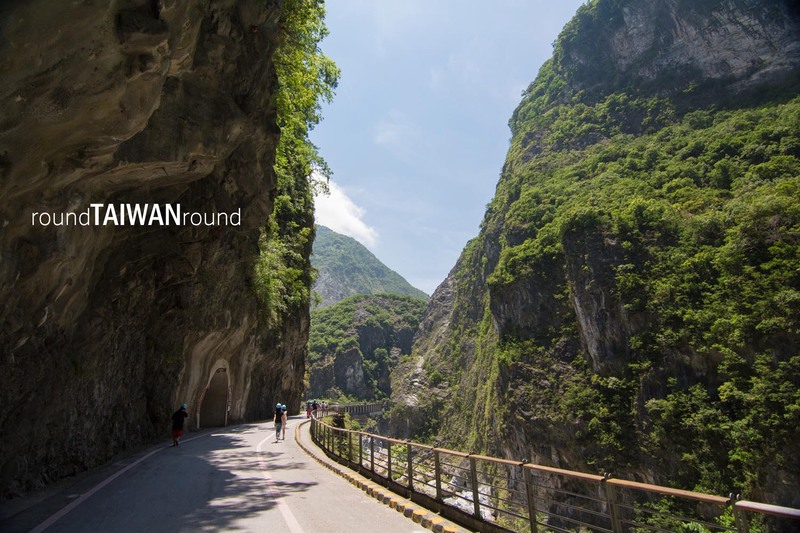
The current status of Taroko Gorge can be summarized in three tiers:
Opened or Controlled-Access Areas
- Taroko Entrance Arch and Visitor Center — Entry to the gorge and basic viewpoints remain accessible when the main road is open.
- Dekalun Trail near the Visitor Center — Short hike still open.
- Tianxiang Recreation Area and its short paths — Open with limited access.
- Xiangde Temple Trail — Open for light walking.
Temporarily Closed Areas
- Shakadang Trail, Tunnel of Nine Turns, Swallow’s Grotto (Yanzikou) — Closed due to instability and long-term repair needs.
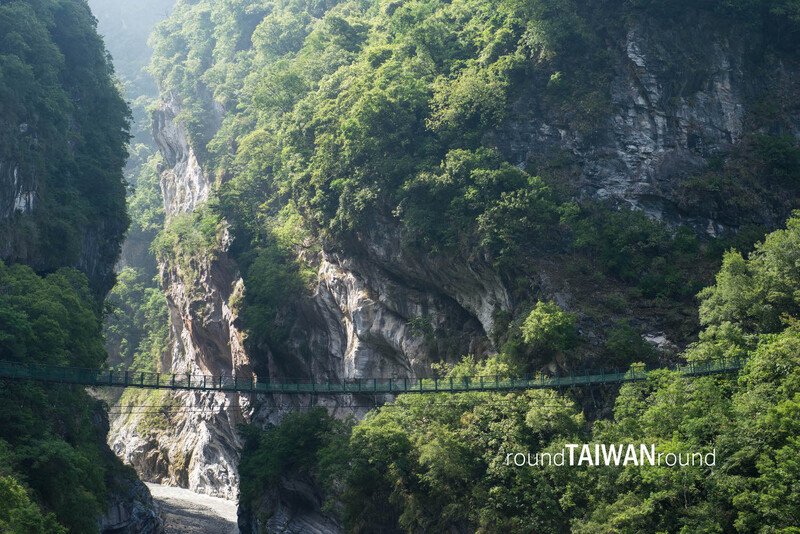
- Buluowan Terrace & Suspension Bridge, Zhuilu Old Road, Lushui Trail, and Baiyang Trail/Water Curtain Cave — Closed or under reconstruction.
- Trails affected by landslide risk or ongoing maintenance remain off-limits for safety.
Trails Overview
| Grade | Open / Partially Open | Closed |
| Grade 0 | - |
|
| Grade 1 |
|
|
| Grade 2 |
|
|
| Grade 3 |
|
|
| Grade 4 |
|
|
| Grade 5 |
|
|
👉🏻 Because conditions change, the list above should be treated as general guidance, not a guarantee.
What This Means for Travelers Planning a Visit
For travelers, the current situation calls for flexibility and realistic expectations. You may still enjoy Taroko’s breathtaking scenery, but:
- Some famous trails may not be accessible
- Travel time through the gorge may be longer due to checkpoints
- You’ll need to rely more on viewpoints rather than extended hikes
Safety Overview|Is Taroko Gorge Safe to Visit?
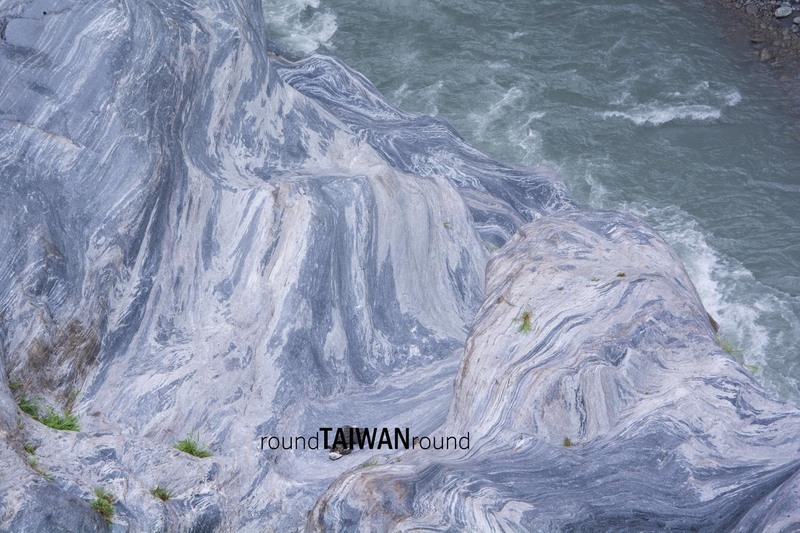
General Safety Conditions for Visitors
Safety in Taroko Gorge is currently managed under heightened caution. Park authorities have increased inspections, installed additional warning signage, and limited access to areas deemed unstable. For most casual visitors who remain within designated open zones, the risk level is considered manageable, not zero.
It’s important to understand that Taroko Gorge is a living geological environment. Even in normal times, falling rocks and sudden weather changes are part of the landscape. After seismic events or typhoons, these risks increase temporarily.
Natural Risks to Be Aware Of (Weather, Terrain, Rockfalls)
Visitors should be particularly aware of the following natural risks:
- Rockfalls: Small rocks can fall without warning, especially after rain
- Steep terrain: Guardrails exist, but cliff edges are close in many areas
- Weather changes: Sudden rain can make roads slippery and reduce visibility
- Aftershocks: Minor earthquakes may still occur
👉🏻 Travelers with mobility issues, elderly visitors, or families with young children should be especially cautious and prioritize easily accessible viewpoints.
How Safety Measures Are Currently Managed
Safety management in Taroko Gorge includes:
- Daily structural inspections of roads and tunnels
- Temporary closures immediately after heavy rain or earthquakes
- Ranger patrols at key access points
- Controlled entry during peak risk periods
👉🏻 These measures are coordinated by Taroko National Park in cooperation with local government agencies in Hualien.
Park Access & Restrictions|Which Areas of Taroko Gorge Are Accessible to Tourists?
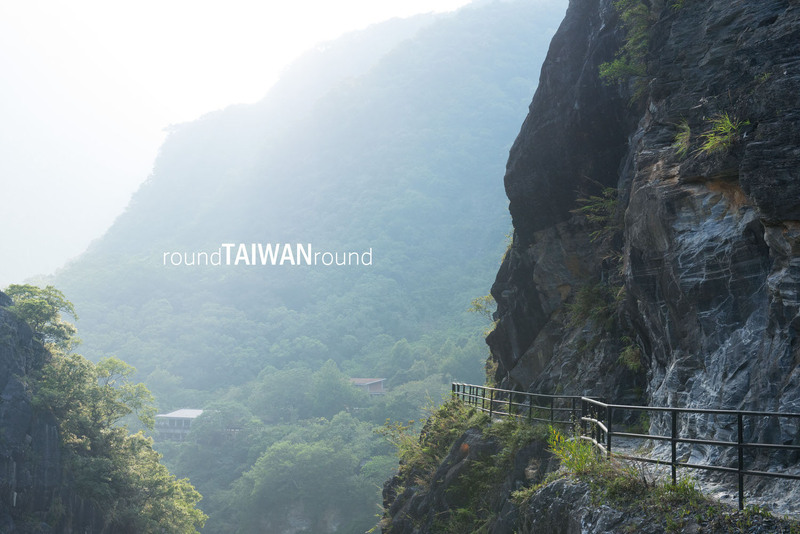
Open Scenic Spots and Walking Trails
Currently accessible areas tend to share these characteristics:
- Short walking distance
- Wide paths with protective barriers
- Minimal exposure to unstable cliffs
Examples include:
- Taroko Gorge Entrance & Visitor Center — Great for photos and quick views when open.
- Dekalun Trail — A short, manageable walk near the entrance.
- Tianxiang and Taibido Trail — Light walking available here.
- Xiangde Temple Trail — A favored serene walk.
👉🏻 These spots still provide iconic gorge scenery, making them ideal for photography and light exploration.
Areas with Limited Access or Entry Control
- Provincial Highway 8 — Controlled access with limited entry and exit windows means you may have to plan your arrival and departure times carefully.
- There may be temporary one-way traffic controls and checkpoints where vehicles must wait before entering or exiting.
Trails and Roads Currently Closed to the Public:
❌ Shakadang Trail — Closed due to structural instability.
❌ Yanzikou (Swallow’s Grotto) — Closed pending long-term repairs.
❌ Tunnel of Nine Turns — Closed or restricted.
❌ Zhuilu Old Road — Closed indefinitely.
❌ Buluowan, Lushui, Baiyang/Water Curtain Cave — Closed or uncertain.
👉🏻Trails that involve narrow ledges, suspension bridges, or long cliffside exposure are often closed until full geological clearance is granted. Attempting to bypass closures is dangerous and may result in fines. Make sure you check Taroko Gorge Official Website for the latest trail updates.
Transportation & Getting There|How to Visit Taroko Gorge Under Current Conditions
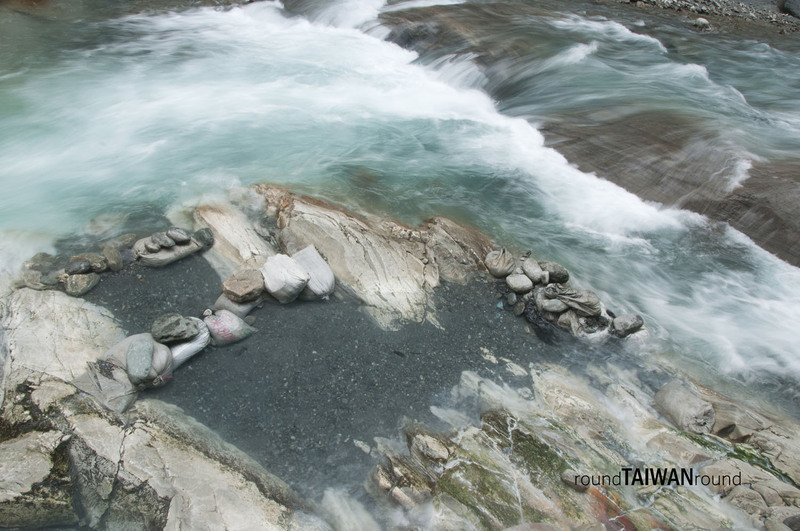
Public Transportation Availability
Public buses from Hualien to Taroko Gorge are operating on adjusted schedules. Service frequency may be reduced, and routes may terminate earlier than usual if roads are restricted.
Public transportation is best for:
- Independent travelers with flexible schedules
- Visitors staying near Hualien Station
- Those planning to visit only open areas
If you plan to rely on buses:
- Check bus schedules with operators in Hualien City.
- Be prepared that buses might only run to the entrance area and not deeper into the canyon.
Private Car, Taxi, or Guided Tour Options
Many travelers now prefer private transportation due to unpredictability. Options include:
- Private transfers (subject to road access rules)
- Local taxis familiar with current closures
- Day tours operated by licensed guides
👉🏻 For visitors seeking convenience and local insight, private transfer services such as tripool are often recommended by travelers for their flexibility and real-time route adjustments—without locking you into a rigid tour itinerary.
Get a quote!
tripool serviceRecommended Alternatives If Certain Routes Are Closed
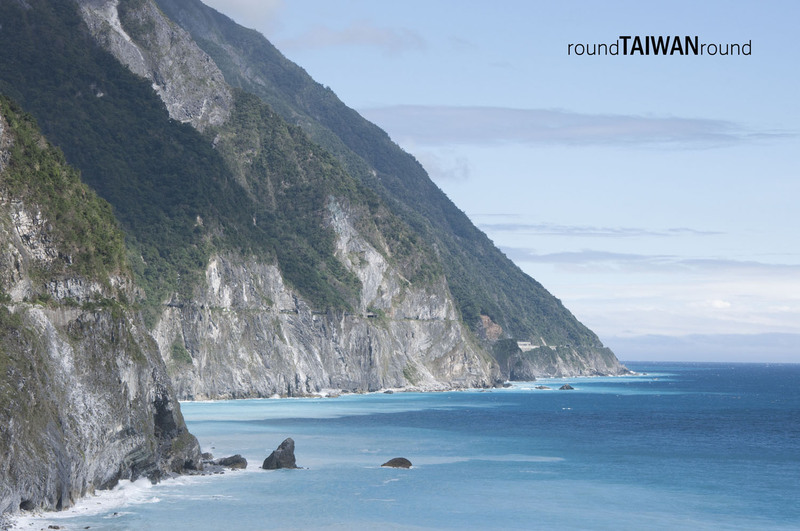
If your planned Taroko route becomes inaccessible:
- Explore nearby cultural villages or hot springs
- Explore Tianxiang and Xiangde Temple trails as alternatives.
- Visit Qixingtan Beach or Qingshui Cliffs for beautiful coastal scenery near Hualien city.
- Adjust your schedule to revisit Taroko on another day
Official Information & Updates|Where to Find Official Updates About Taroko Gorge
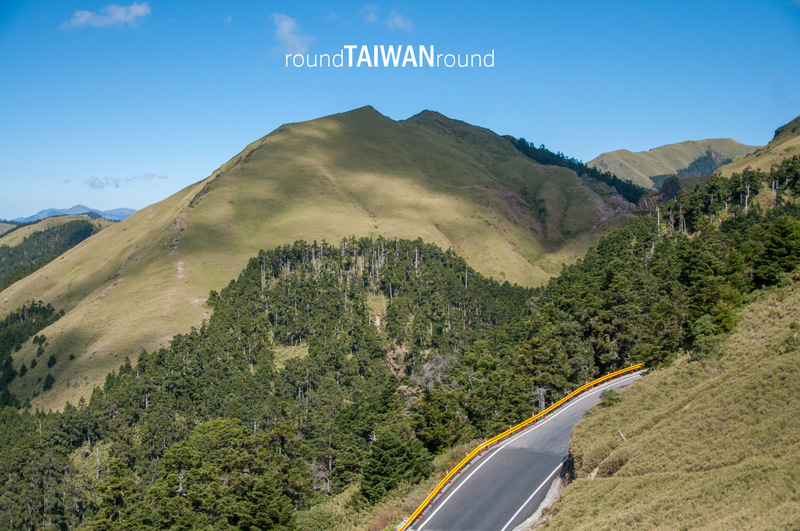
National Park Announcements
The most reliable source of information comes directly from Taroko National Park Official Website. Their official announcements include:
- Daily opening status
- Trail-specific closures
- Emergency notices
Local Government or Tourism Authority Sources
- Hualien County Tourism Offices provide updates on road conditions and travel advisories.
- Taiwan Tourism Bureau publishes broad travel status and safety updates.
Why Checking Updates Before Visiting Is Important
Conditions can change within hours, not days. Travelers who check updates the night before and the morning of their visit are far less likely to encounter disruptions.
Travel Advice|Tips for Visiting Taroko Gorge Safely
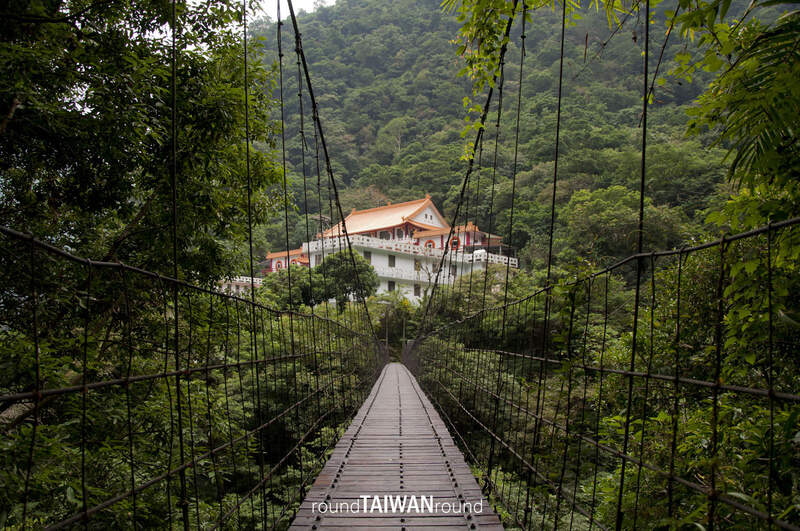
Best Times to Visit Under Current Conditions
- Mornings — Road inspections complete and access usually opens early.
- Weekdays — Usually less traffic and easier parking.
- Dry weather — Avoid visiting right after heavy rain for safety.
What to Prepare Before Entering the Park
Bring:
- Check the Road/Trail Conditions page on the official park site.
- Pack sturdy shoes with grip and water for short forest walks.
- Rain protection
- Arrive early for limited access windows.
- Carry weather updates — conditions can change quickly.
When to Reconsider or Adjust Your Itinerary
You may want to postpone or shorten your visit if:
- Earthquake or typhoon warnings are issued
- If rain or storm warnings are in effect.
- Multiple key areas close simultaneously
- You’re traveling with very young or elderly companions
FAQ|Frequently Asked Questions About Visiting Taroko Gorge
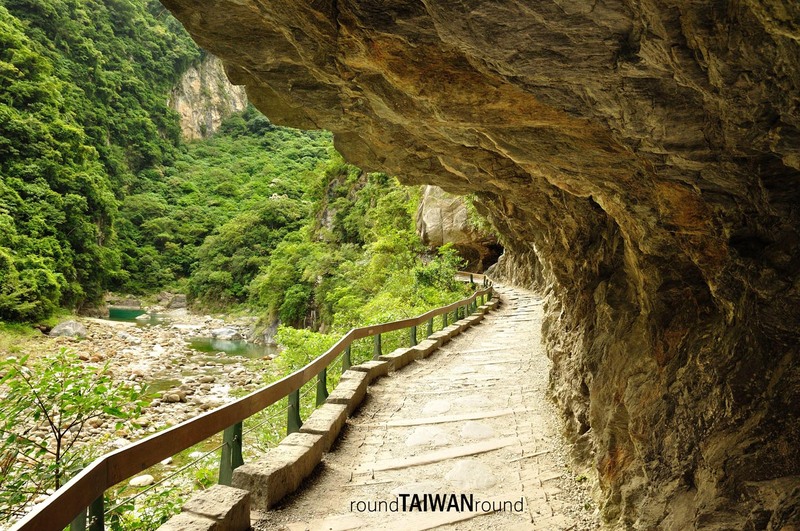
Can Foreigners Visit Taroko Gorge Without Restrictions?
Yes. Foreign visitors can enter Taroko Gorge under the same rules as local travelers. There are no passport-based restrictions, but access depends on current safety conditions. Some roads and trails may be closed or controlled due to earthquakes, rockfall risk, or weather. Always follow ranger instructions and check official updates on the day of your visit, as conditions can change quickly.
Is It Safe to Visit Taroko Gorge Independently?
Generally yes, as long as you stay within officially open areas. Independent visitors should avoid closed trails, watch weather conditions, and expect occasional traffic controls or delays. Short walks and scenic viewpoints are the safest options right now. Travelers who want more flexibility when routes change may prefer a local driver or guided option.
Do I Need a Permit to Enter Taroko Gorge?
For normal sightseeing, no permit is required. Visitor centers, viewpoints, and many short trails are open without registration. However, some controlled routes or special trails may require advance registration or ranger supervision. If a trail is marked as closed or controlled, entry is not allowed without approval.
Is Taroko Gorge Suitable for Families or Elderly Travelers?
Yes, but only in easy-access areas. Families and elderly travelers should focus on flat viewpoints and short walking paths, and avoid narrow or uneven trails. Private transportation can make visits more comfortable by reducing walking distance and exposure to traffic-controlled zones.
What If It Rains, There Are Aftershocks, or a Typhoon Warning?
Rain, earthquakes, or typhoon alerts are strong reasons to adjust or postpone your visit. These conditions increase the risk of rockfalls and sudden closures. If weather worsens or aftershocks occur, follow official instructions and consider alternative sightseeing around Hualien until conditions improve.
RTR Editor’s Note|Visiting Taroko Gorge Responsibly with RTR
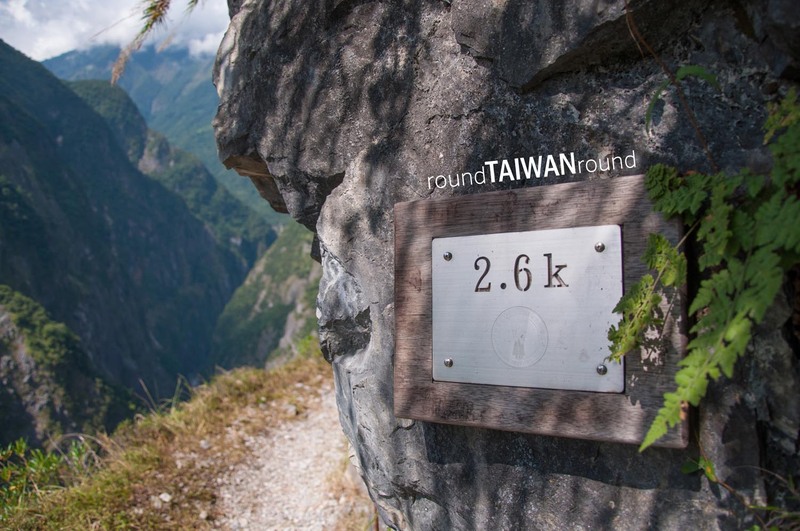
Visiting Taroko Gorge today feels different from years past—and that’s not necessarily a bad thing. At Round Taiwan Round, also known as RTR, we believe that responsible travel begins with understanding the place you’re visiting, not just consuming it as a checklist destination.
Our editorial team has traveled through Taroko Gorge multiple times under varying conditions. What stands out most right now is not what’s missing, but what remains: the sheer scale of the marble cliffs, the sound of the river echoing through the canyon, and the quiet moments that come from fewer crowds and more mindful access.
That said, this is not the moment for rushed itineraries or unrealistic expectations. Taroko Gorge today rewards travelers who slow down, listen to local guidance, and accept that nature—not tourism schedules—sets the rules. We strongly encourage visitors to treat closures not as disappointments, but as signs of a system working to protect both people and the landscape.
Transportation choices matter more than ever. Flexible options, knowledgeable drivers, and real-time updates can transform a potentially stressful day into a smooth experience. Many travelers we’ve spoken with found that private transfers like tripool allowed them to adapt plans on the fly—skipping closed sections while still enjoying open highlights without pressure.
Most importantly, remember that Taroko Gorge is not “damaged” in spirit. It is resting, adjusting, and reminding us that some of the world’s most beautiful places require patience and respect. If you come with that mindset, your visit—however brief—can still be deeply meaningful.
At RTR, we’ll continue monitoring conditions and sharing accurate, on-the-ground travel updates for visitors to help travelers experience Taiwan safely and responsibly. Taroko Gorge may not be fully open, but it is very much alive—and still worth experiencing, thoughtfully.